Destination

icons
Duration
5 days
icons
Tour Type
Adventure
icons
Group Size
1-10pax
icons
Tour Guide
2
Nepal

Mardi Himal Trek – 5 Days

Highlights

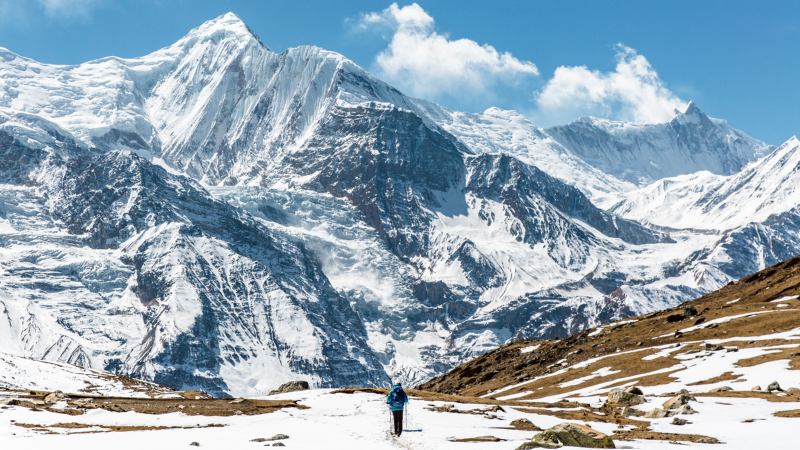
  • Panoramic views of the Annapurnas including Machhapuchhre, Annapurna South, Dhaulagiri, and more
  • Trek through remote villages to discover local Gurung culture and traditions
  • Walk through rhododendron forests flushed with vibrant blooms
  • Traverse less-crowded trails for a peaceful hiking experience
  • Trek to Mardi Himal Base Camp surrounded by towering Himalayan peaks
  • Witness the rare east face of Machhapuchhre in all its glory
  • Explore emerging trekking trails away from the bustling main routes

Trip Information 

Mardi Himal Trek could be a brilliant different to escape off from thronged treks of Annapurna with dazzling perspectives and length like Ghorepani Poon Hill Trek.This is the short trekking routes in annapurna region with majestic features of Mardi Himal and Annapurna range. This treks offers mesmerizing views of the Mt. Annapurna Mt. Fishtail, Mt. Dhaulagiri, Mt. Manaslu, Mt. Mardi ranges.

Mardi Himal trek is a serene trekking course with just a couple of trekkers on the methods. in spite of the fact that the arrangement of nourishments and settlement on the course is at the empty least, Mardi Himal Trekking remains a pleasant trekking course which needs least exertion. Mardi Himal Trek is a couple of week long trekking inside the Himalaya Mountains with lovely perspectives on frigid tops through modest Nepali towns. it’s an animating trek contrasted with various in style treks inside the Annapurna district. The trek in Mardi Himal contains short rise or plunge multi day.

The Tea houes on Mardi Himal Trek square measure fundamental and offers exclusively the basic things to trekkers. The trek needs scope of administrations, it’s one among the best shorts treks off from the pack and modern trekking courses. Mardi Himal Trekking is beautiful trek routes between two another trekking routes Annapurna Base Camp Trek and Ghorepani Poon Hill Trek. Mardi Himal Trek is hided trekking course among most visitors returning to Asian country once per year so exclusively little scope of trekkers fabricate their gratitude to Mardi Himal Base Camp each year.

The way moreover incorporates numerous hours strolling inside shrub backwoods that seems colossal all through March – April. The course is pretty very all through the total year examination to all around enjoyed courses of Annapurna region. Mardi Himal Trekking could be a great trekking course to pass on you style of pristine culture and towns.

We design this itinerary all of you who would like to trek Mardi Himal Base Camp Trek 5 Days in Annapurna Region. We most well come to trek this and get many joyful and amazing mountain view. This is our service provide you reasonable cost of good service. Our target is not collecting money this is not big property if we can give you our best and you are happy with us, this is our big property. Just trust us and book any of package from the online or direct contact us, give us that chance from where we can provide you our best.

Itinerary

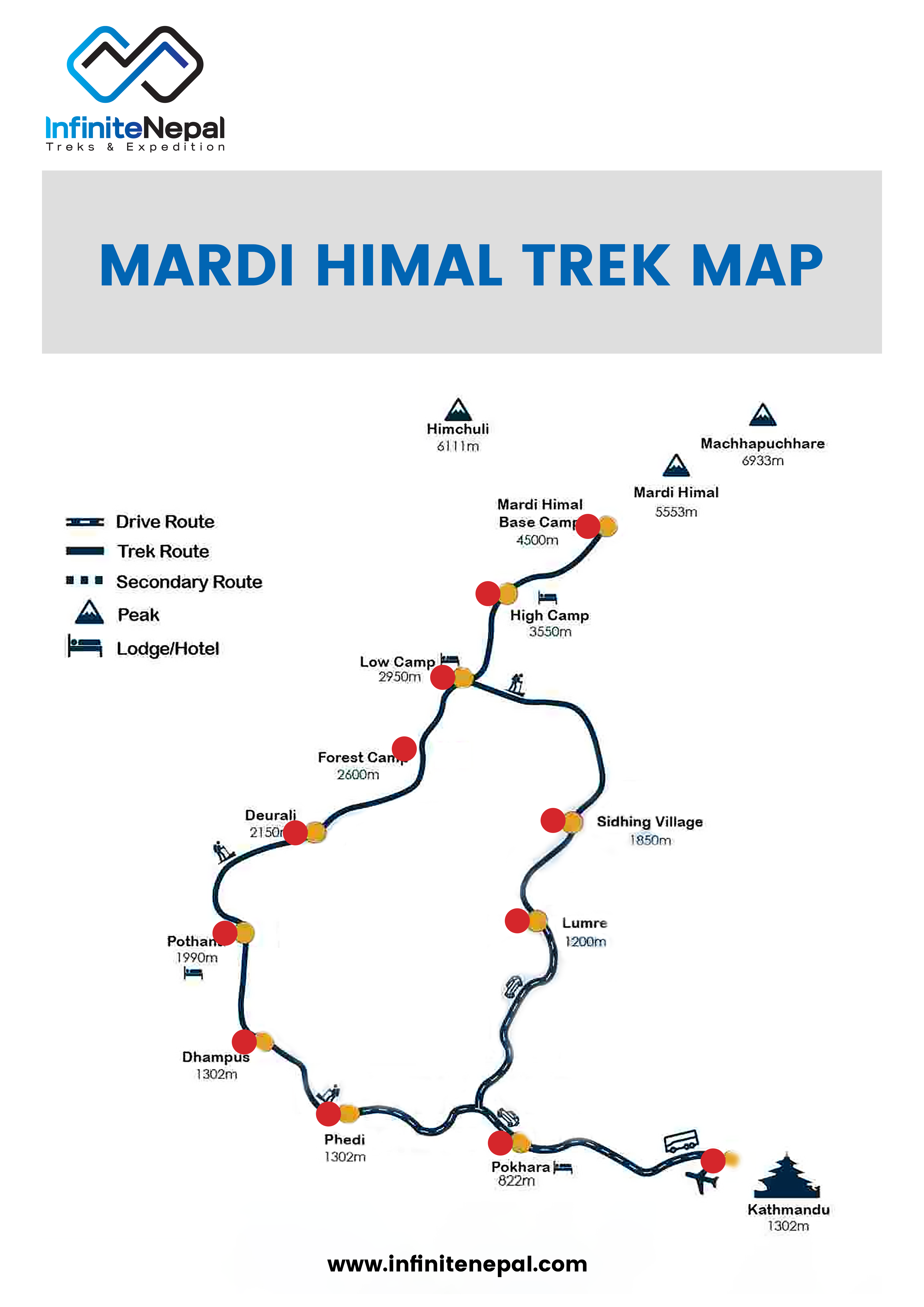
Our adventure begins with a scenic drive from Pokhara to Kande, the trailhead. As we begin trekking from Kande, enjoy views of Annapurna South while passing through lush green hills and rhododendron forests. Cross mountain streams and experience Nepal's rural villages.  After 3-4 hours of trekking, we arrive at Deurali mountain pass (2,600m). This vantage point provides panoramas of the Annapurnas and overlooks the route ahead. Spend the night at a local teahouse in Deurali to rest up for the days ahead.
After breakfast at Deurali, we trek uphill through open grasslands with nonstop views of the Himalayas surrounding us - Machapuchhre, Mardi Himal, Dhaulagiri, and more. The landscape changes as we enter oak and rhododendron forests. Listen for birdsong along the way.  By afternoon, we'll arrive at Forest Camp to stop for lunch. Refueled, we continue walking another hour to Low Camp for overnight. Relax with a hot drink as the sunset alights the snowy peaks.
After breakfast at Low Camp, today we trek along the edge of Mardi Himal itself. The trail traverses high above plunging valleys with nonstop views of the surrounding giants like Machapuchhre and Annapurna South.  As we gain elevation, the landscape shifts from forest to alpine. By afternoon, we'll arrive at High Camp.
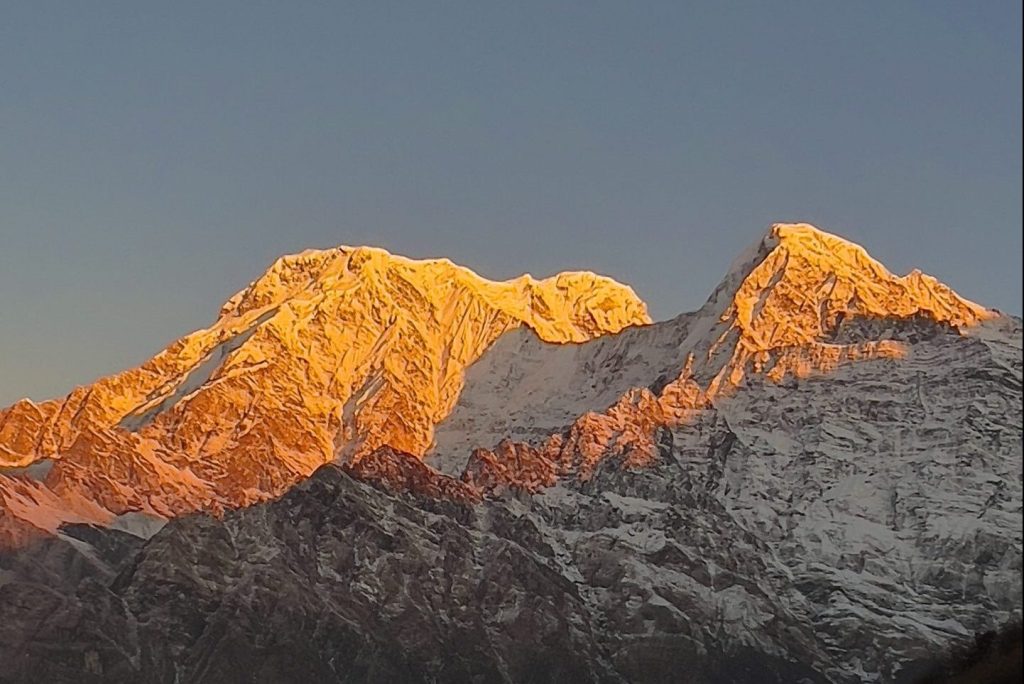
Today is the big day! We rise before dawn and set out in the dark to reach Mardi Himal Base Camp (4,500m) in time for a magnificent Himalayan sunrise. The steep trail is challenging but worth it for the jaw-dropping views.  As first light hits the mountains, Mardi Himal, Dhaulagiri, Annapurna, and Machapuchhre glow golden. After soaking in the views and congratulating ourselves, we carefully descend back to High Camp. 
After breakfast at High Camp, we begin our descent back to civilization. The trail is steep as we make our way through rhododendron forest and pass villages along the way. Take in last views of the Himalayas before the trees obstruct them. Our knees will be relieved when we finally arrive in Siding Village in the afternoon.  From this traditional Gurung settlement, we'll drive 3 hours back to Pokhara. Upon arrival, celebrate completing the Mardi Himal trek by relaxing alongside picturesque Phewa Lake

Whats Included

  • Airport pick-up and drop-off
  • All necessary trekking permits (ACAP & TIMS)
  • Experienced English-speaking trekking guide and porter (1 for every 2 trekkers), all meals (breakfast, lunch, and dinner) during the trek
  • Tea house accommodation on a twin-sharing basis
  • Transportation from Kathmandu to Pokhara and back (tourist bus or flight as per package),
  • Private vehicle transport to and from the trek starting/ending point,
  • Medical kit carried by the guide and Duffel Bag
  • All government taxes and service charges.

Whats Excluded

  • International airfare and Nepal visa fees, travel insurance covering emergency evacuation, personal trekking gear and equipment,
  • Additional snacks and beverages beyond the provided meals
  • Hot showers and Wi-Fi at tea houses
  • Porter tips and guide gratuities
  • Extra nights in Kathmandu or Pokhara due to unforeseen delays
  • Any costs arising due to weather conditions, natural disasters, or political disturbances,
  • personal expenses such as souvenirs, battery charging, or laundry services.

Maps & Photos

FAQ

The Mardi Himal Trek is considered moderately difficult. There are uphill climbs of 600-800m on some days. You need a decent level of fitness but it is suitable for beginner trekkers who prepare properly.

The best times are spring (March-May) and autumn (September-November) when the weather is mild and skies are clear. Winters can be very cold and summers rainy.

The trek typically takes 5 days considering Pokhara as the start/finish point. This includes transport from/to Pokhara on the first and last days. The trek itself is only 2-3 days.

Ascending from 1,500m to 4,500m in a few days increases chances of altitude sickness. Go slow, drink lots of water and be ready to turn back if symptoms appear. What permits and documents do I need for the Mardi Himal Trek? You will need an Annapurna Conservation Area permit and TIMS card. Bring ID proof (passport), cash to pay fees and valid travel insurance papers.

Having a knowledgeable guide is recommended but not mandatory. The trail is fairly straightforward to follow without one if you are an experienced trekker.

Yes, But you need to either filter water or use purification tablet. Teahouses also provide boiled and filter water at minimal cost.

The highest point reached is Mardi Himal Base Camp at 4,500m. The summit of Mardi Himal itself is not part of this trek.

Most teahouses have basic shared bathrooms but no hot showers. You may find occasional solar-heated showers for a fee at some lodges.

People in villages speak Nepali but teahouse staff understand basic English phrases related to food, accommodation, etc. Learning a few Nepali terms can help too!

Yes, getting emergency medical and evacuation insurance to cover accidents, injuries, or altitude sickness is strongly advised for your safety.

There are ATMs in Pokhara where you can withdraw Nepali rupees before starting the trek as there won't be any access further.

Useful Info

Food During Mardi Himal Trek

  • Teahouses – These small lodges along the trail offer simple but filling meals like dal bhat (rice, lentils, and vegetables), noodles, pasta, momos, and more. Given the remote location, don’t expect much variety.
  • Packed meals – Many trekkers bring trail snacks and packed lunches to supplement teahouse food. Good options include energy bars, dried fruit, chocolate, nuts, jerky, and hard cheese.
  • Clean water – Teahouses offer boiled/filtered water so you don’t need to carry much. Bring a reusable bottle and water purification tablets as a backup.
  • Carry cash – Teahouses are basic and don’t accept credit cards. Nepal’s area also has limited ATM access so carry enough cash rupees for your entire trek.
  • Lightweight food – Opt for nutritious but lightweight snacks that won’t weigh down your pack. High altitude trekking requires efficient energy sources.

While teahouse food options are simple, they offer nutrition and cultural immersion. Proper preparation and rationing will ensure you have sufficient energy for each demanding trekking day.

Accommodation During the Mardi Himal Trek

Teahouses are simple mountain lodges made of stone, mud and ridged tin roofs that provide shelter and food to trekkers in the Annapurna region of Nepal. They range from small huts run by one family to slightly larger lodges with several rooms. Teahouses are spaced along the Mardi Himal Trek route, providing overnight accommodation in these remote mountain villages.

The rooms in teahouses are very basic with 2-4 wooden beds and some blankets. There are no attached bathrooms, instead common toilets are shared. A few teahouses may have solar-heated showers available for an extra fee. The rooms have no heating, so nights can get cold at higher altitudes above 3000m. Windows are small with basic wood shutters for ventilation. Some rooms have electric lights but many still rely on candles or solar lamps.

Staying in teahouse rooms allows trekkers to interact with the friendly Nepali staff and get a glimpse into local culture. The lodges are operated by mountain families who provide a vital service in these isolated areas. 

While very simple, teahouse accommodation offers a welcome respite after long days of trekking to rest tired legs. The views of Himalayan peaks like Annapurna South more than makeup for any material discomforts.

Mardi Himal Trek Difficulty

Overall Difficulty: Moderate

The Mardi Himal Trek is considered moderately difficult overall. Trekkers should have a good level of fitness but it is suitable for enthusiastic beginners. Prior hiking experience at high altitude is recommended.

Duration: 4-5 days

The relatively short duration makes it achievable for most people. Move at a steady pace and pay attention to how your body responds.

Elevation Gain: Approximately 3,000 meters

The steep elevation gain from 1,500m to 4,500m leads to a high risk of altitude sickness if not acclimatized properly. Pace yourself and listen to your body.

Terrain: Steep forest trails and high Alpine

The narrow forest trails have rough, uneven terrain with loose rocks and steep uphills. Proper hiking shoes are essential. Trails get steep and exposed at higher elevations.

While a great trek for beginners, the Mardi Himal Trek still deserves a moderate difficulty rating due to the rapid elevation gain, basic teahouse facilities, cold nights, and remoteness. Following a steady pace and acclimatizing properly will lead to an achievable, rewarding experience.

Physical Requirement for the Mardi Himal Trek

Completing the multi-day Mardi Himal trek requires a reasonable level of fitness and stamina. This is a moderately difficult trek that involves uphill climbing for 5-6 hours daily over steep, uneven Himalayan trails. Having good cardiovascular endurance is key to powering yourself up thousands of stone steps at altitude without getting exhausted. 

The trek entails elevations ranging from 1,500m to 4,500m, so your heart and lungs need to be conditioned for the continuous ascents. Training your aerobic stamina by hiking, running, cycling or similar activities will help prepare your cardiovascular system.

Additionally, having strong legs, especially your quadriceps and calves, will propel you up and down the mountain trails. You can expect ascents of 600-800m on some days, so your leg muscles need to be conditioned for this level of exertion. 

Focus exercises like lunges, squats and hiking with a weighted daypack will get your legs trek-ready. This leg strength also protects your knees from injury during long descents. Your core muscles are essential too for maintaining balance over loose rocks and uneven surfaces. 

A solid core prevents slips or falls on steep parts of the trail. Moreover, good flexibility in your hips, hamstrings and calves keeps your joints supple and agile while trekking. Regular stretching improves range of motion and aids injury prevention.

Best Time for Mardi Himal Trek

For ideal weather conditions, mountain visibility and fewer crowds, spring (March-May) is likely the best time for Mardi Himal. Late autumn (October-November) is a popular second choice. Be prepared for cold and snow if trekking in December-February.

Spring (March to May)

The spring months are considered the peak trekking season in Nepal. Temperatures are warm during the day but can get quite cold at higher elevations. Skies are usually clear offering great mountain visibility. Trails are also less crowded than autumn.

Autumn (September to November)

Late September to November is the most popular trekking season. Daytime weather is ideal with sunny skies and moderate temperatures. Landscapes look colorful with fall foliage. Trails get busier during peak season.

Winter (December to February)

Winters are cold but snowy landscapes look beautiful. Trails may be icy and days are shorter. Teahouses operate on limited basis so lodging is harder to find. Fewer crowds but the trek is more challenging.

Summer (June to August)

The monsoon season brings heavy rainfall making trails very slippery and muddy. Clouds often obscure mountain views. Landslides can block routes too. Best avoided during monsoon.

5 Days Mardi Himal Trek Trekking Gears and Equipment

Important documents and items:

  • Passport, with at least 6-month validity with two additional passport-sized photos, flight tickets.
  • Photocopies of the passport and visa application
  • Evidence of insurance coverage.
  • Cash, in case you need cash (around $100 to $500)
  • Credit cards for cash withdrawals (include photocopies of your cards), traveler’s checks, and other financial means.
  • Clothing stuff that you need to pack before you begin your Everest Base Camp Trek journey:

Head:

  • Headscarf or Beanie
  • Lightweight hat that offers protection from the sun.
  • Rechargeable Headlamp
  • UV protection Sunglasses

Upper Body:

  • Polypropylene shirts
  • Light and expedition-weight thermal tops
  • Fleece wind-stopper jacket or pullover
  • Waterproof (preferably breathable fabric) shell jacket
  • Down vest and jacket
  • Gore-Tex jacket with hood, waterproof and breathable

Hands:

  • Light inner gloves
  • Outer Insulated Gloves, which are windproof and waterproof

Lower Body:

  • 5-6 pairs of breathable underwear
  • 1 pair of Hiking shorts
  • 1 pair of Hiking trousers
  • 1 pair of lightweight thermal bottoms (seasonal)
  • 1 pair of fleece or woolen trousers
  • warmer and weatherproof softshell pants

Feet:

  • lightweight hiking boot
  • lightweight and comfortable pair of hiking shoes
  • 5-6 pairs of branded socks
  • One pair of thermal socks.
  • Gaiters(optional)

Sleeping:

  • 1 sleeping bag
  • Fleece sleeping bag liner (optional)
  • Rucksack and Travel Bags
  • 1 medium rucksack
  • 1 large duffel bag

Medical:

  • Small, personal first-aid kit. (simple and light)
  • Aspirin, first-aid tape, and plasters (Band-Aids)
  • 1 skin-blister repair kit
  • Anti-diarrhea pills
  • Anti-headache pills
  • Cough and cold medicine
  • Anti-altitude sickness pills: Diamox or Acetazolamide
  • Stomach antibiotic: Ciprofloxacin, etc.
  • Water purification tablets

Toiletries:

  • 1 medium-sized quick-drying towel
  • Toothbrush/paste
  • Multipurpose soap
  • Deodorants
  • Nail clippers
  • Face and body moisturizer
  • Female hygiene products
  • Small mirror
  • Personal Hygiene
  • Wet wipes
  • Tissue /toilet roll
  • Anti-bacterial hand-wash

Customer Review

No rating found

GIVE A RATING

Book the Tour

Base Price $999 $1300