


Highlights:
TRIP INFORMATION:
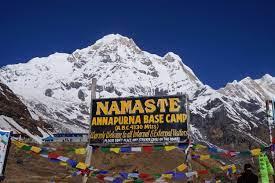
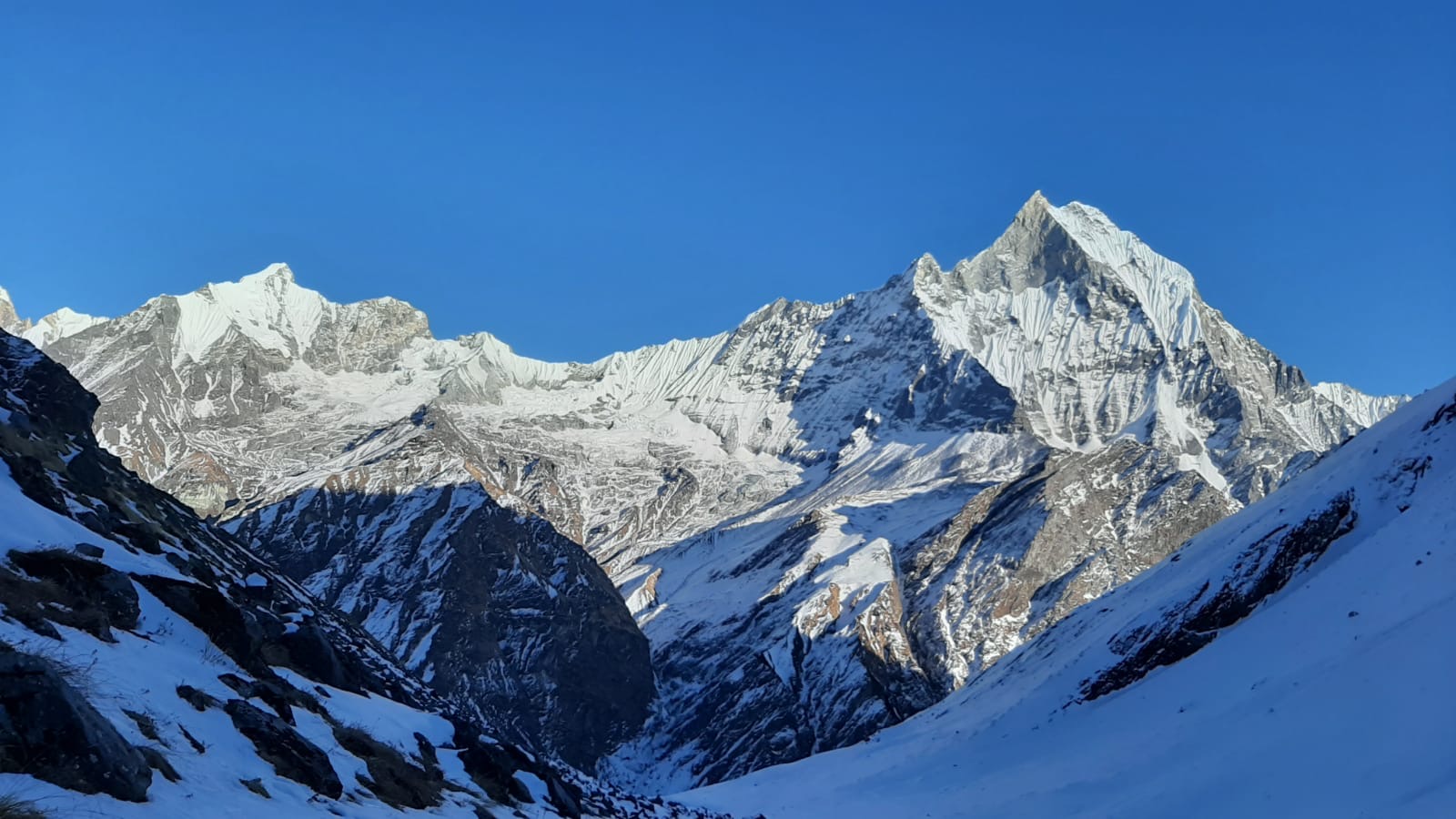
The Annapurna Base Camp (ABC) Trek is like a walk to the bottom of the world’s tenth-tallest mountain, Mount Annapurna. This giant mountain stands at a height of 8,091m/26,545ft, ranking it as the tenth tallest in the world. Watching this massive mountain close with your own eyes is beyond imagination and hard to put into words.
As you traverse lush rhododendron forests, charming Gurung villages, and rugged mountain paths, the Annapurna Range is a majestic backdrop, culminating in the awe-inspiring Annapurna Sanctuary. At an altitude of 4,130 meters, the Base Camp offers more than just panoramic views; it’s a testament to human endurance and nature’s grandeur.
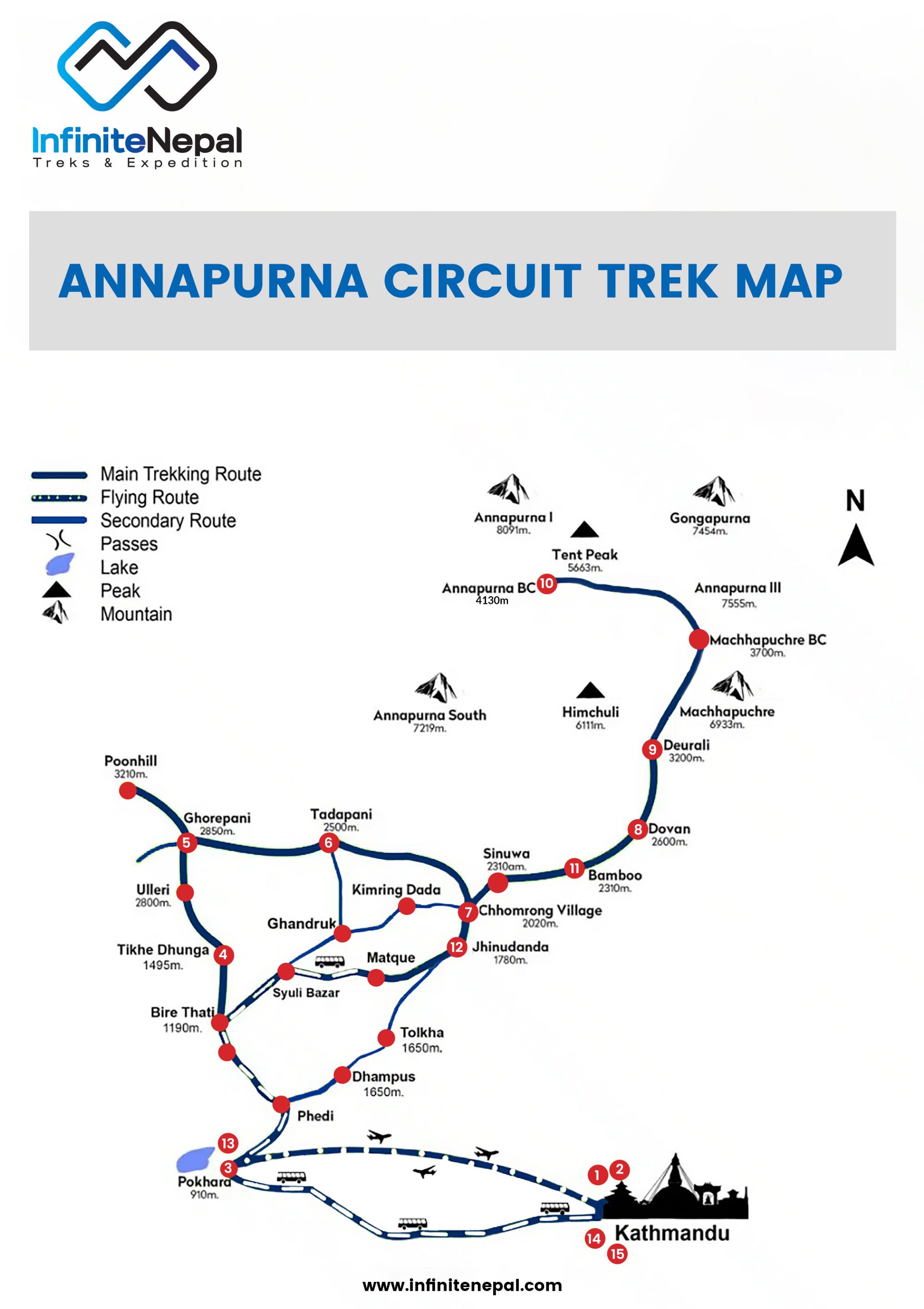
Trekking to Annapurna Base Camp is a bit easier for many people compared to the Everest Base Camp trek. That’s why lots of adventurers, whether they’re beginners or have some experience, love ABC Trek. The trek itself is not strenuous; however, you need to be in good shape as there are many steep steps. Also, hiking uphill for a few days in uphill is the challenging part of this trek. The most astonishing thing about the trek is the breathtaking views of snow-covered mountains, Annapurna itself, and the nearby smaller but equally beautiful summits, which are like incredible works of nature. As you walk through ridges and villages, you can enjoy the fantastic and picturesque landscape all around. Exciting rivers with clear white water are like the icing on the cake during your trek. Brace yourself for some fun swinging on suspension bridges over these always-flowing rivers. Another exciting thing about this trek is that you won’t just get to one base camp but two – Machhapuchhre Base Camp and Annapurna Base Camp itself.
Even if you want to spice things up by adding side trips or slow down by changing the itinerary, just contact us and let us know what you’d like to do. Our itinerary is designed for a safe ascent, focusing on acclimatization to prevent altitude sickness. Join us for an adventure that combines the beauty of the Himalayas with cultural immersion and expert guidance.
Annapurna Base Camp Trek Difficulty
During the Annapurna Base Camp trek, you will be covering a distance of 115 km. You need to pass through the remote settlement area and steep sections. Also, there are many ups and downs in the trekking path, so trekkers should have a high level of stamina. Walking every day for 5-6 hours in rugged terrain is not as simple as you think.
If you have previous trekking/climbing experience, it’s not so difficult for you. But if you’re a beginner and want to explore the Annapurna, then you might face difficulties like altitude sickness, accommodation, limited food items, difficulty in walking, weather, and temperature.
If you are new to trekking, don’t worry. Planning and preparing ahead of time can help you handle any challenges that may come your way during the trek. Follow the instructions given by the guides and maintain safety all the time.
Even though this trek is possible throughout the year, try to book early for the best seasons. Trekking in these off-seasons might add more challenges and obstacles to you. Upgrade yourself by maintaining physical fitness and mental health. With strong determination and a positive mindset, you can surely achieve this Annapurna Base Camp Trek.
Acclimatization and Altitude Sickness : Altitude sickness occurs when the body struggles to adapt to reduced oxygen levels at high elevations, leading to symptoms like dizziness, nausea, and shortness of breath. There is a chance of having altitude sickness as you will be walking higher than 3000m in this trek. The first and most common type of altitude sickness is acute mountain sickness(AMS). If AMS is not cured of its time and if trekkers neglect it, then it can be serious and fatal.
What to do to prevent altitude sickness
Annapurna Base Camp Trek Best Time
Weather plays a great role while you are trekking in the mountain region. Therefore, it is essential to know about the weather conditions before joining a trek. The ideal time for the Annapurna Base Camp trek is during Spring and Autumn. With perfect weather conditions and a clear view of the surroundings and nature during this season, it’s perfect for trekkings. You can hike without worrying much about the rainfall, extreme cold temperatures, and snowfall.
If you go in the summer (June to August) or winter (December to February), it tends to rain more. During these times, the weather might be cloudy and rainy, making the trails slippery and muddy. While trekking this month, you need to be very careful about the trail path. And because of the rain and cold, make sure to wear the right clothes to stay warm and dry.
While trekking in the spring and autumn seasons, you must book in advance so that you don’t have to face problems finding rooms. This is the peak season, so a large number of tourists arrive to explore the mountain.
Annapurna Base Camp Trek Permit
Annapurna Base Camp Trek Permit- To trek in the Annapurna region, you need to get two permits: Trekking Information Management System (TIMS) and Annapurna Conservation Area Permit (ACAP). These permits are required at checkpoints during your trek.
Trekking Information Management System (TIMS)
TIMS is a mandatory permit for all trekkers planning to go to any trekking region in Nepal. The TIMS card helps track trekkers’ details, ensuring their safety throughout the journey.The cost of the TIMS permit is NPR 1,000 ($20 USD) for group trekkers.
Annapurna Conservation Area Permit (ACAP)
This essential permit, required for all trekkers in the Annapurna region, costs NPR 3,000 (~$30 USD) and can be obtained in Kathmandu or Pokhara.
Food and Accommodation of Annapurna Base Camp Trek
During the Annapurna Base Camp Trek, trekkers stay in guesthouses or tea houses along the trekking path. These places are owned by locals and offer basic facilities like beds, blankets, wifi, and bathrooms. Usually, dining halls and toilets are shared. If you want to use wifi or charge your electronic devices, there might be an extra cost. The facilities might not be as fancy as what you have back home, but they’ll make you feel comfortable during your trek.
Three meals are provided in the tea house: breakfast, lunch, and dinner. They will serve you local dishes like dal bhat (rice and lentils), momos (dumplings), and various curries. You can also get tea and coffee. If you prefer vegetarian options, most guesthouses have those too. The food might be different from what you’re used to, but it’s a chance to try tasty regional specialties.
It’s important to know that the food during the trek might not always be like what you’re used to back home. But it’s an excellent opportunity to try local dishes and experience the customs of the people living there.
If you have specific food needs, it’s a good idea to tell your guide or the guesthouse staff beforehand. They might be able to accommodate your preferences. To keep your energy up during the trek, bring some snacks like energy bars or almonds with you.
Annapurna Base Camp Trek Trekking Gears and Equipment
Important documents and items:
Head:
Upper Body:
Hands:
Lower Body:
Feet:
Sleeping:
Medical:
Toiletries:



Beautifull experience -
Jul 16, 2024Review by-TestLorem ipsum dolor sit amet, consectetur adipiscing elit, sed do eiusmod tempor incididunt ut labore et dolore magna aliqua. Ut enim ad minim veniam, quis nostrud exercitation ullamco laboris nisi ut aliquip ex ea commodo consequat.