Destination

icons
Duration
16days
icons
Tour Type
Adventure
icons
Group Size
1-10pax
icons
Tour Guide
2
Nepal

Jomsom and Holy Muktinath Trek – 12 Days

Highlights


  • Scenic flight from Kathmandu to Pokhara
  • Explore Pokhara, which is one of the top adventurous and leisure destinations.
  • Enjoy the Mountain flight to Jomsom via the Nilgiri hills
  • Jomsom, the trade centre of the Annapurna region famous for apple production
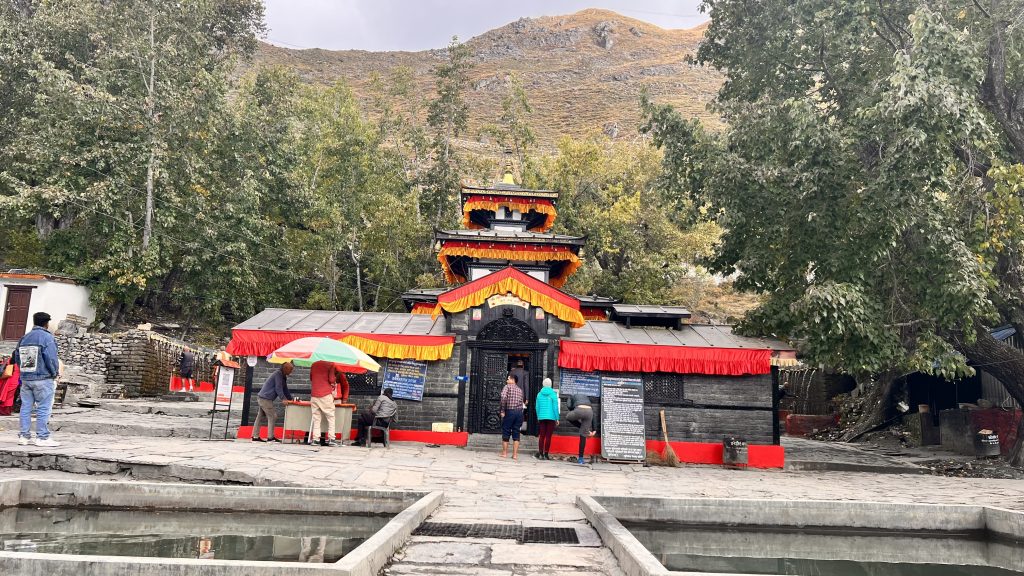
  • Visit the holy Muktinath temple
  • Visit Ghorepani, which is famous for its unique culture and is a popular stop for trekkers exploring the area.
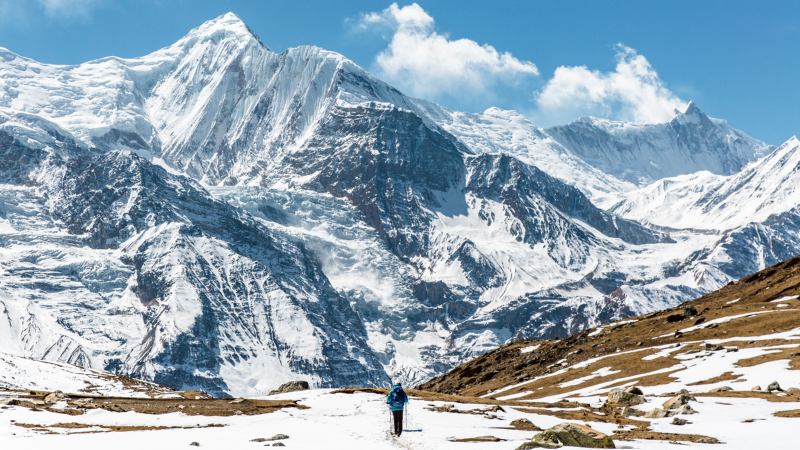
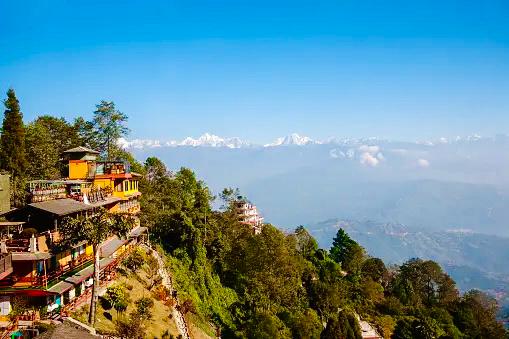
  • Breathtaking mountain views of Annapurna himalayan range, Mt. Fishtail, Mt. Dhaulagiri, Mt. Manaslu etc
  • Sacred Kali Gandaki River, The deepest gorge in the world
  • Take a bath in a natural hot spring in Tatopani
  • Witness jaw-dropping landscapes and mountain views
  • Experience the rich cultural traditions of Himalayan Buddhism and Hinduism as you trek along the route.

Trip Information:

Jomsom Muktinath Trek quickly takes you away from the busy hustle of today’s world and transports you to peaceful mountain life within the blink of an eye. This trek takes you to a special part of Nepal, which can be done at any time of the year and can be enjoyed by anyone of any age group.

You can explore the hundred years of the monasteries, the mystic and holy caves, amazing landscapes and jaw-dropping mountains during this trek. Also, mouth-watering apple gardens, lush greenery, and picturesque valleys, including the deepest gorge valley, make the trekking journey beyond imagination. You’ll meet native tribes with rich cultures and lifestyles on this trek. The warm hospitality of these locals will leave a lasting impression on trekkers, creating memories that stay with them forever.

You will see the tenth-highest mountain, Mt. Annapurna and the eighth-highest mountain, Mt. Dhaulagiri, during the Jomsom Muktinath Trek 12 Days. Along with that, the Jomsom Muktinath Treks also offer incredible views of other snow-capped Himalayan mountains like Nilgiri, Fishtail, Gangapurna, etc.  Also, during this trek, you will pass through the lower Mustang area, which is another highlight of this trek. The Lower Mustang area is a land where 8,000m/26,250ft high mountains cast a shadow over the world’s deepest river gorge. With the village’s natural beauty and spiritual experience from the Buddhist monasteries with the flavour of Tibetan culture and religion, this trek is absolutely worthwhile.

This trek can be redesigned according to your needs and available schedule. Also, you can add treks such as the Annapurna Circuit and Annapurna Base Camp.

Itinerary

Whats Included

Cost includes
  • Hassle-free Airport Transfers: A private car pick-up and drop-off at both ends of your journey, ensuring you get to and from the airport with ease and comfort.

  • Domestic Flights (Kathmandu-Lukla-Kathmandu): The cost covers your round-trip flight between Kathmandu and Lukla.

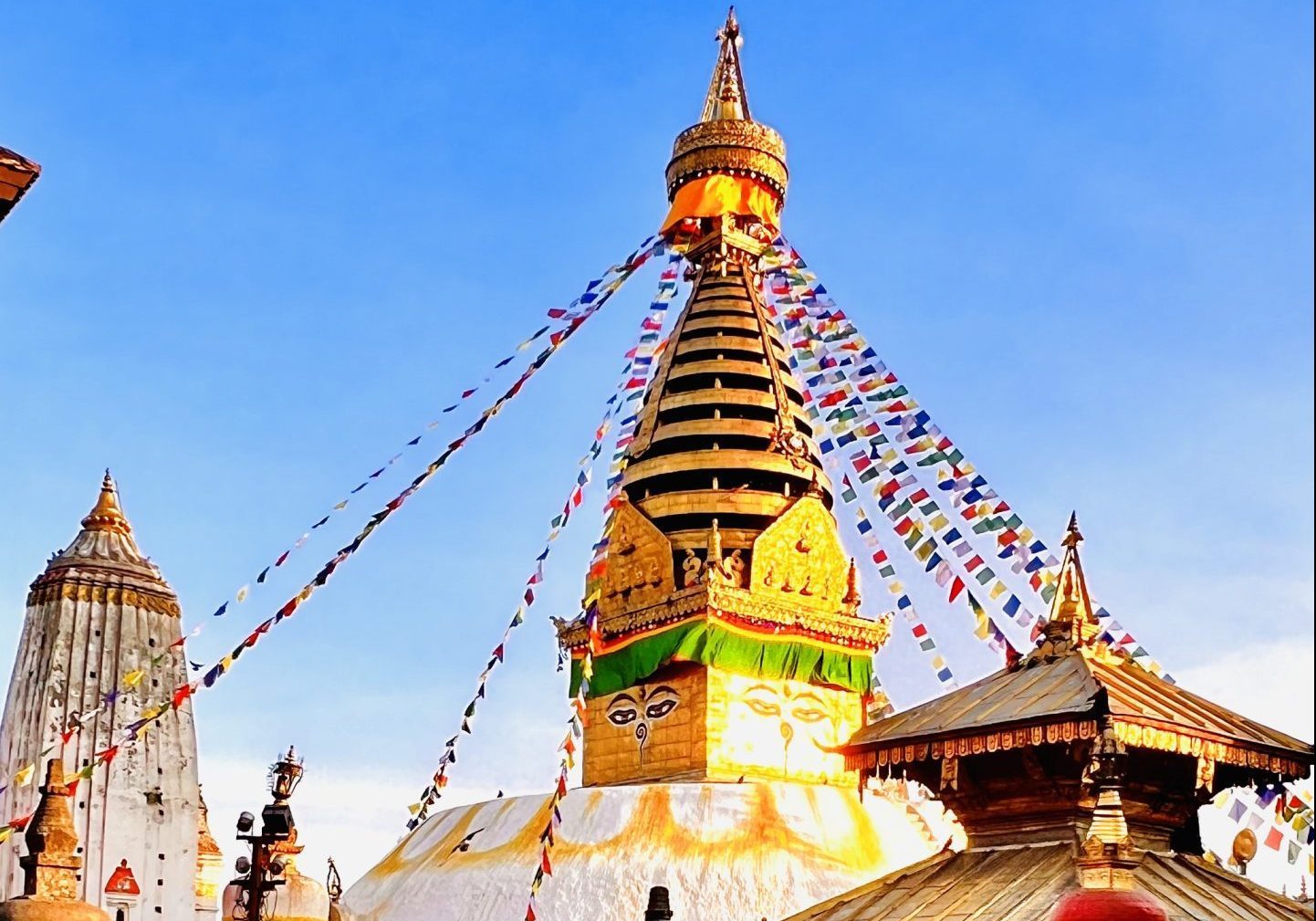
  • Guided City Tour in Kathmandu Valley: Explore the UNESCO-listed sites, with a knowledgeable guide who will provide insights into the rich heritage of the region.

  • Nutritious Meals Throughout the Trek: Three time nutritious meals – breakfast, lunch, and dinner  during the trek.

  • Guest House (Lodge) Accommodation During the Trek: Comfortable guesthouses and lodges along the trail, offering a warm, homely atmosphere after each day of trekking.

  • 2 Nights Accommodation in Kathmandu with Breakfast: Two nights’ stay in Kathmandu with breakfast, allowing you to rest and explore the vibrant city before and after your trek.

  • Licensed Guide: A professional, licensed guide will accompany you throughout the trek, ensuring your safety, providing expert knowledge, and enhancing your overall trekking experience.

  • Porter Service During the Trek: One porter will be provided for every two guests, helping carry your trekking gear and ensuring you trek comfortably.

  • All Government and Local Taxes: All taxes, including government and local fees, are included in the cost, so there are no hidden charges.

  • Trekking Permits and Documentation: The cost includes all necessary trekking permits, such as the National Park Permit and TIMS card, required for your journey in Nepal.

  • Guide and Porter Salary: The cost covers the fair salaries of both the guide and the porter for their hard work during the trek.

  • Guide and Porter Insurance: Insurance for both the guide and porter during the trek is included, ensuring their safety as they accompany you on the journey.

  • Farewell Dinner with Traditional Nepali Culture: Celebrate the end of your trek with a farewell dinner, where you’ll experience authentic Nepali culture, including traditional food and music, as a way of saying thank you for your adventure.

Whats Excluded

Cost Excludes
  • Nepal Visa Fees: Travelers are responsible for obtaining their Nepalese visa upon arrival or before departure, depending on their country’s regulations.
  • Meals in Kathmandu : While breakfast may be included at your accommodation, lunch and dinner in Kathmandu will be at your own expense, allowing you to explore a variety of local and international cuisines.
  • Trekking Gear & Equipment: Personal trekking gear, including boots, jackets, sleeping bags, and other essentials, should be arranged before your trek. Rental options are available in Kathmandu and Pokhara.
  • International Flights : The package does not include airfare to and from Nepal, so travelers need to book their international flights separately.
  • Travel & Emergency Insurance: Comprehensive insurance covering trip cancellations, medical emergencies, and helicopter evacuations is highly recommended for your safety.
  • Personal Expenses : Any additional costs, such as bar bills, alcoholic and non-alcoholic beverages, phone calls, and laundry services, will be at your own expense.
  • Hot Showers: Some teahouses charge extra for hot showers, as heating water at high altitudes requires additional resources.
  • Gratuities for Guides & Porters: While tipping is not mandatory, it is a customary way to show appreciation for the hard work and dedication of your trekking team.

FAQ

The Jomsom Muktinath trek is kind of in the middle when it comes to difficulty. There are some parts where the path is steep and a bit rough, but it's not too hard. Almost anyone can do this trek if you're in good health and fitness. It's also a good choice for beginners who are new to trekking.

No worries! The Jomsom Muktinath trek doesn't take you through a restricted area in Nepal. You'll be exploring the lower part of the Mustang region, and that's not a restricted zone.

Even though there are very few cases of altitude sickness during this trek, there is still a chance of altitude sickness. You should always be careful because you will be walking at the highest point of the trek, i.e. 3710 meters.

Jomsom Muktinath Trek is possible without having a guide. While it's possible to trek solo, having a guide or trekking with a group enhances the experience. A guide ensures your safety, shares local insights, and navigates the best routes, making the journey more enjoyable and informative.

You don't have to worry if you trek with the trekking agency if the flight gets cancelled. They will arrange a private vehicle, or you can even wait for the next flight.

For the trekkers facility, you can find the rent office where you rent a bicycle/motorcycle during the trek. If you want to finish the whole trip with the rented vehicle, it is possible.

Hot springs are not swimming pools; however, you can use the swimming costume for Hot springs.

The cost of the Jomsom Muktinath Trek varies based on factors such as accommodation, meals, transportation, itinerary duration, and group size. The price generally ranges from $500 to $1600, so it's advisable to choose a package that fits your budget while ensuring a comfortable experience.

To embark on this trek, you’ll need two essential permits: Annapurna Conservation Area Permit (ACAP) – Required for entry into the conservation area. Trekkers' Information Management System (TIMS) Card – Necessary for tracking and ensuring trekkers' safety. Both permits can be obtained in Kathmandu or Pokhara before starting your trek.

es, charging your phones, batteries, and other electronic devices is possible at lodges and teahouses along the route. However, charging services may come with an extra fee, so carrying a portable power bank is highly recommended.

The ideal time for this trek is during spring (March to May) and autumn (September to November), when the weather is pleasant, and the skies remain clear, offering breathtaking mountain views. While trekking is possible year-round, winter can be harsh, and monsoon brings slippery trails and unpredictable weather.

Only inside the main temple is not allowed, but you can enter and walk freely around the temple premises.

Useful Info

Physical Requirement for the Jomsom Muktinath Trek

Trekking in the Himalayas demands a good level of physical fitness to navigate the rugged trails and varying altitudes comfortably. If you’re in good health without any serious medical conditions, you should be able to complete the trek comfortably. Since the altitude exceeds 3,500 meters, it’s essential to acclimatize properly to avoid altitude-related issues.

This trek is rated moderate, requiring daily walks of 4-8 hours with some uphill and downhill sections. While previous trekking experience is beneficial, beginners can also complete this trek with some preparation.

To get trek-ready, regular physical activity such as walking, jogging, cycling, or light strength training a few weeks before your trip is highly recommended. If you’re new to high-altitude trekking, taking it slow and allowing your body to adjust will make the journey much easier.


With these preparations in place, you’ll be all set to embark on an unforgettable journey to Jomsom and Muktinath, where adventure meets spirituality in the heart of the Himalayas.

Best Time for Jomsom Muktinath Trek

Jomsom Muktinath Trekking is possible throughout the year. However, on average, Spring and Autumn are the best times or seasons to trek in Jomsom Muktinath. Spring and Autumn are known as the Peak season, and you can expect more travellers during this time. It’s because the temperature is highly favourable during these seasons, and the best panoramic mountain views are guaranteed. 

During the other Summer {June, July and August} and Winter {December, January and February} seasons, the clear weather is not guaranteed. But if you are an explorer, a photographer, and a peace lover, a less busy season can also be the right time to do Jomsom Muktinath Trekking.

Food and Accommodation for Jomsom Muktinath Trek

While staying in the hotels in Kathmandu and Pokhara, only Breakfast is included. At the same time, full meal options, including tea and coffee, are provided during the entire trek. During the entire trek, you will have your Breakfast and dinner in the same teahouse where you spend the night, while the lunch will be served en route towards the next destination of the day. There are a variety of choices to choose from: Nepalese, Tibetan, Indian, Continental, etc.

The most common and highly recommended food during the Jomsom Muktinath Trekking is typical Nepali Dal Bhat with veg and non-veg options. Also, other food items are available, such as seasonal vegetables, noodles and spaghetti, pasta, pizzas, French fries, soups, etc., depending upon the availability. For the beverage, you can get a variety of tea, coffee, local alcohol and some international alcohol. For Breakfast, you can order cereals, breads, noodle soups, egg dishes, etc.
Jomsom Muktinath Trek Trekking Gears and Equipment
Important documents and items:
  • Passport, with at least 6-month validity with two additional passport-sized photos, flight tickets.
  • Photocopies of the passport and visa application
  • Evidence of insurance coverage.
  • Cash, in case you need cash (around $100 to $500)
  • Credit cards for cash withdrawals (include photocopies of your cards), traveler’s checks, and other financial means.
  • Clothing stuff that you need to pack before you begin your Everest Base Camp Trek journey:
Head:
  • Headscarf or Beanie
  • Lightweight hat that offers protection from the sun.
  • Rechargeable Headlamp
  • UV protection Sunglasses
Upper Body:
  • Polypropylene shirts
  • Light and expedition-weight thermal tops
  • Fleece wind-stopper jacket or pullover
  • Waterproof (preferably breathable fabric) shell jacket
  • Down vest and jacket
  • Gore-Tex jacket with hood, waterproof and breathable
Hands:
  • Light inner gloves
  • Outer Insulated Gloves, which are windproof and waterproof
Lower Body:
  • 5-6 pairs of breathable underwear
  • 1 pair of Hiking shorts
  • 1 pair of Hiking trousers
  • 1 pair of lightweight thermal bottoms (seasonal)
  • 1 pair of fleece or woolen trousers
  • warmer and weatherproof softshell pants
Feet:
  • lightweight hiking boot
  • lightweight and comfortable pair of hiking shoes
  • 5-6 pairs of branded socks
  • One pair of thermal socks.
  • Gaiters(optional)
Sleeping:
  • 1 sleeping bag
  • Fleece sleeping bag liner (optional)
  • Rucksack and Travel Bags
  • 1 medium rucksack
  • 1 large duffel bag
Medical:
  • Small, personal first-aid kit. (simple and light)
  • Aspirin, first-aid tape, and plasters (Band-Aids)
  • 1 skin-blister repair kit
  • Anti-diarrhea pills
  • Anti-headache pills
  • Cough and cold medicine
  • Anti-altitude sickness pills: Diamox or Acetazolamide
  • Stomach antibiotic: Ciprofloxacin, etc.
  • Water purification tablets
Toiletries:
  • 1 medium-sized quick-drying towel
  • Toothbrush/paste
  • Multipurpose soap
  • Deodorants
  • Nail clippers
  • Face and body moisturizer
  • Female hygiene products
  • Small mirror
  • Personal Hygiene
  • Wet wipes
  • Tissue /toilet roll
  • Anti-bacterial handwash

Customer Review

No rating found

GIVE A RATING

Book the Tour

Base Price $1500