


Trip Highlights
Trip Information:
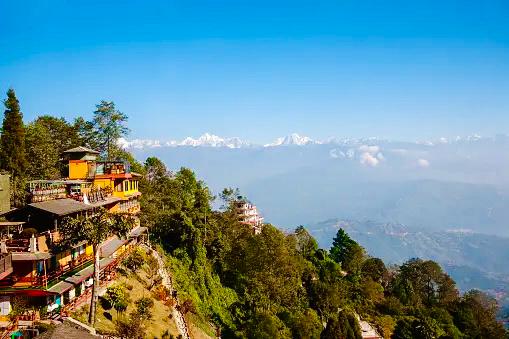
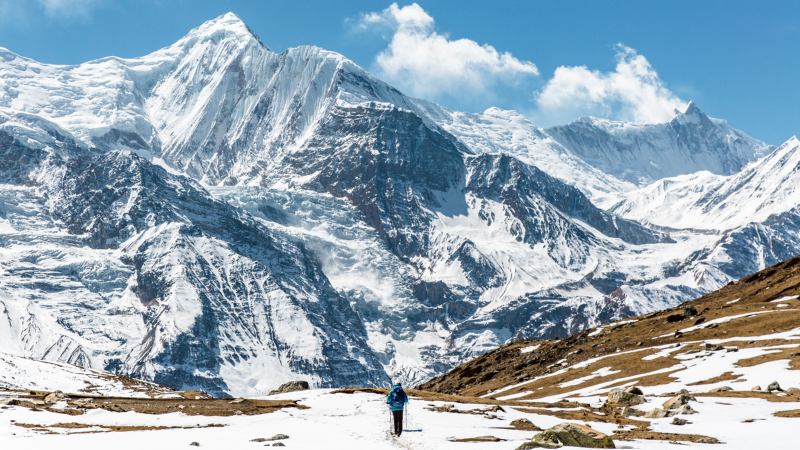
Nagarkot is a well-known vacation destination around 32 kilometers from the Kathmandu Valley, known for its captivating views of the sunrise and sunset. It stands at an elevation of approximately 2,165 meters above sea level. Standing on a verdant slope, Nagarkot is encircled by an unending chain of snow-capped peaks and green hills. Even Mount Everest, the highest mountain in the world, may occasionally be seen in clear weather.
Nagarkot Sunrise and Historical Bhaktapur Tour offers breathtaking architecture and natural beauty, making it a must-do experience for anybody traveling to Nepal. This tour also takes you to Bhaktapur Durbar Square, a UNESCO World Heritage site. After a beautiful moment spent early in the morning in Nagarkot, proceed to Bhaktapur Durbar Square, which is stunning with historical, architectural, and artistic treasures. In addition to learning about the city’s historical past, you can observe and learn about the traditional way of life that the locals lead.
The Palace of 55 Windows, the Golden Gate, the National Art Gallery, Nyatpole, Pottery Square, and other attractions are a few of the square’s highlights.
Services Included:
Services Excluded:
What to Expect During the Nagarkot Sunrise and Bhaktapur Tour?
A day trip to Nagarkot and Bhaktapur will delight you with a beautiful blend of historical sightseeing, cultural exploration, and scenic natural splendor. You may expect the following at each stop on the tour:
Nagarkot Sunrise
Situated on an impressive mountain at the edge of the Kathmandu Valley, Nagarkot is a small and charming town. It takes about 1.5 to 2 hours to get from Kathmandu or Bhaktapur to Nagarkot.
You can enjoy a magnificent dawn at Nagarkot, which is reflected on a string of Himalayan peaks that stretch the entire length of the eastern horizon, including the summit of Everest. Photographers can take advantage of sunrises to get breathtaking images of the Himalayan terrain bathed in golden light.
You may take in the clean mountain air and take in expansive views of the surrounding landscape, terraced fields, and pine trees.
Bhaktapur Durbar Square
The term Bhaktapur, which translates as “city of devotees,” is composed of the words “Bhakta” and “Pur.” At the center of this journey is Bhaktapur Durbar Square, one of Nepal’s World Heritage Sites, which is surrounded by a number of other temples and buildings.
The Golden Gate
The 55-window Royal Palace, one of the primary attractions, is entered through the Golden Gate. Rich woodcarvings, elaborate detailing, and vivid colors define the Golden Gate as a magnificent example of traditional Newari architecture.
Nyatapola Temple
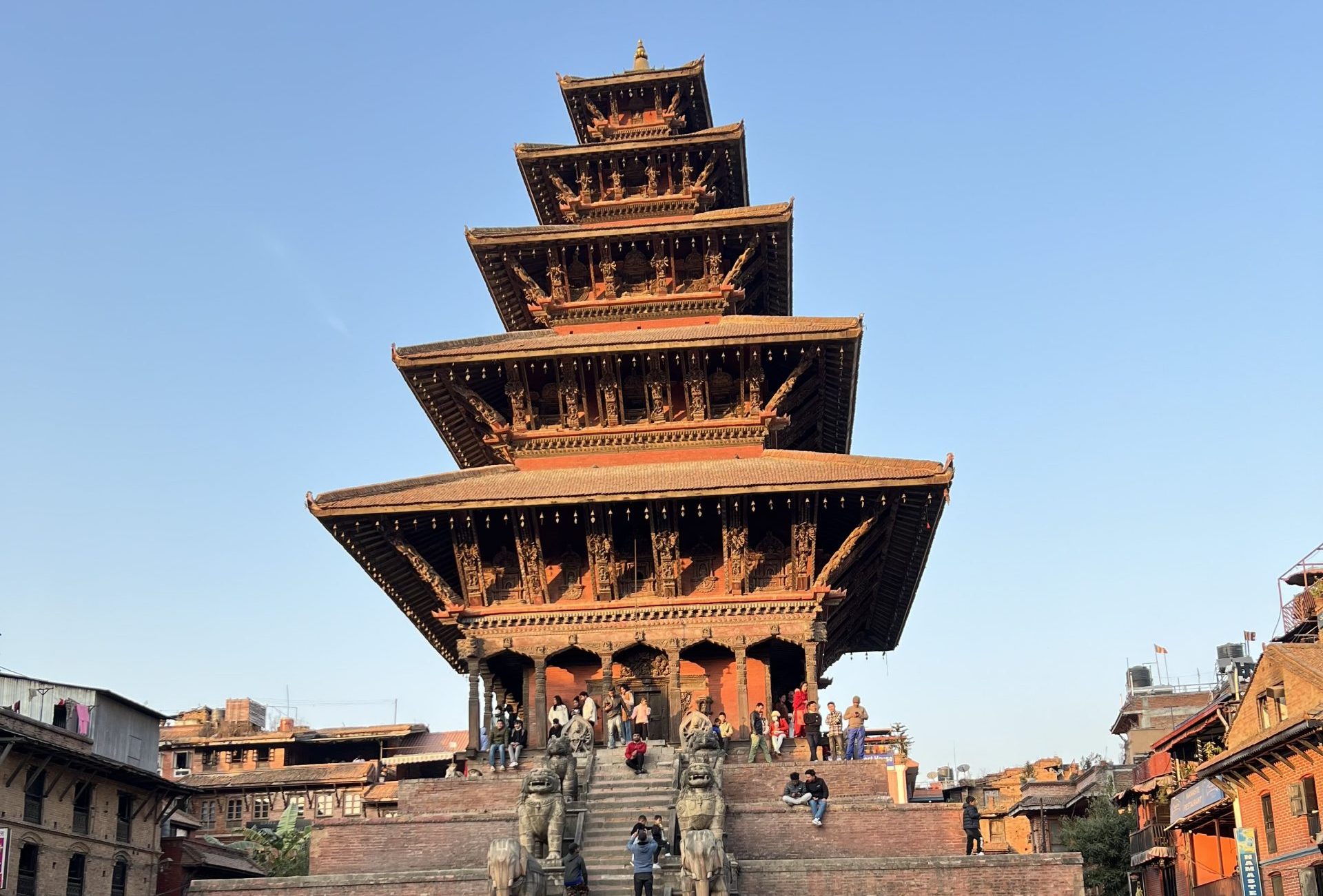
Located in Bhaktapur, the Nyatapola Temple is a stunning pagoda-style templ. The Nyatapola Temple is dedicated to the Hindu goddess Siddhi Lakshmi, symbolizing prosperity and good fortune.
Pottery Square
Bhaktapur still has a large number of potters who use their antique wooden wheels to give clay different sizes and forms.
The National Art Gallery
Buddhist and Hindu schools have produced artworks from antiquity to the medieval period at the National Gallery.
Bhaktapur Durbar Square Entrance Fee:
Changu Narayan Temple Tour
The temple, which is tucked away in a verdant woodland, is recognized as a UNESCO World Heritage Site. Among the oldest Hindu temples dedicated to Lord Vishnu, this sacred site dates back to the Licchavi dynasty (450–750 AD).
From the fourth century onward, this temple has a plethora of images featuring Lord Vishnu. Bishnu, the god, is also known as Changu Narayan. It is also known for its elaborate woodcarvings, stone sculptures, and beautiful architecture.
Hindus who are devoted to Lord Vishnu travel there on pilgrimages and occasions of adoration. The Changu Narayan Temple holds profound cultural and religious significance for the people of Nepal.
Changu Narayan Temple Entrance Fee:
Ideal Time of Year for Nagarkot Sunrise
You can visit Nagarkot almost year-round, with the exception of the monsoon rainy months of mid-June to August, if you’re looking for dawn views. summer is monsoon season, with overcast skies and lots of rainfall. But even in the summer, you could still be able to see a stunning dawn from Nagarkot.
Due to their ideal weather and breathtaking Himalayan vistas, autumn and spring are typically regarded as the greatest seasons to visit Nagarkot and witness sunrises.
Positive Impact of Your Journey:
1 Day

Write Your Review