


Highlights:
Visiting one of the famous Hindu shrines in the world – Pashupatinath Temple.
Doing kora with peaceful music in Boudhanath Stupa, Swambhunath Stupa, and Namobuddha.
Enjoy the panoramic view of Mt. Annapurna from Pokhara and boat ride in Phewa Lake.
Visit the 3 Durbar Squares enlisted in UNESCO world heritage site (Bhaktapur, Kathmandu, and Patan Durbar Square)
Birthplace of Lord Buddha – Lumbini.
Spiritual relaxation by three days meditation camp in Osho Tapoban.
Interaction with two most followed religions in Nepal: Hinduism and Buddhism.
Receiving the blessings from the goddess of wishes – Manakamana.
The Nepal Historical, Religious and Cultural Tour take you around culturally affluent places and historical sites. A 13-day tour is not enough to explore Nepal’s history and cultures, as Nepal offers a lot.
Nepal Historical, Religious, and Cultural Tour begin with a holy visit to Pashupatinath Temple. We try our best to capture all the beautiful, culturally rich sites within the tour time. We are taking you to the three most important Buddhist Stupas in Kathmandu valley: Boudhanath Stupa, Swayambunath Stupa, and Namobudha Stupa, which helps you to interact with the Buddhist culture. Talking about Buddhist culture, we are not missing the origin of Budhha that is Lumbini. Lumbini resembles peace and humanity.
We will be driving to Manakamana Temple, where wishes are fulfilled, and then go to Pokhara for relaxation. This Historical, Religious, and Cultural Tour of Nepal guides you through the three iconic Durbar Squares—Kathmandu, Patan, and Bhaktapur—each teeming with rich architecture and profound history. Most of the sites we are visiting are included in the UNESCO world site heritages. You will get to learn about various ethnic community people and their traditions during the tour.
The tour also includes a drive to Chandragiri Hill station, which offers a great view along with a glimpse of mountain ranges. We have cable car rides in both Manakamana and Chandragiri Hills. The Nepal Historical, Religious, and Cultural Tour end with a spiritual meditation and yoga camp at Osho Tapoban. This will give your mind, body, and soul a sense of peace and relaxation.
Infinite Nepal has created itinerary packages as per the tourist’s comfort and demand. We can add any other places as per your suggestion. Our motive is to make your journey memorable and joyful.
As soon as you arrive at the Tribhuvan International Airport, you will see our representative from Infinite Nepal waiting for you at the exit door. He will transfer you to the hotel; you can freshen up afterwards.
You can sightsee the nearby places in your leisure time. In the evening, we will prepare local Nepali food like a warm welcome. We will be providing the details about the trip as well. Overnight stay in the hotel in Kathmandu.
Early in the morning, we will visit the Pashupatinath temple that is situated in Gaurighat. Pashupatinath temple is the oldest temple of Hindus in Kathmandu. Pashupati is said to be an incarnation of lord shiva. Every year a vast number of devotees visit Nepal to worship Pashupatinath. You will see the Hindu rituals in this temple. Every sub-temples inside the
Pashupati area have their own story and importance.
Next, we will take a short lunch break and head to Boudhanath Stupa. The Boudhanath stupa was built after 600 AD. People following Buddhism are mainly found worshipping in this stupa. It is one of the most enormous spherical in Nepal as well as around the world. Without tickets, a foreigner cannot enter here. You can see several lamas chanting here and people taking koras around the stupa. You can also find many mandala art galleries and monument shops here.
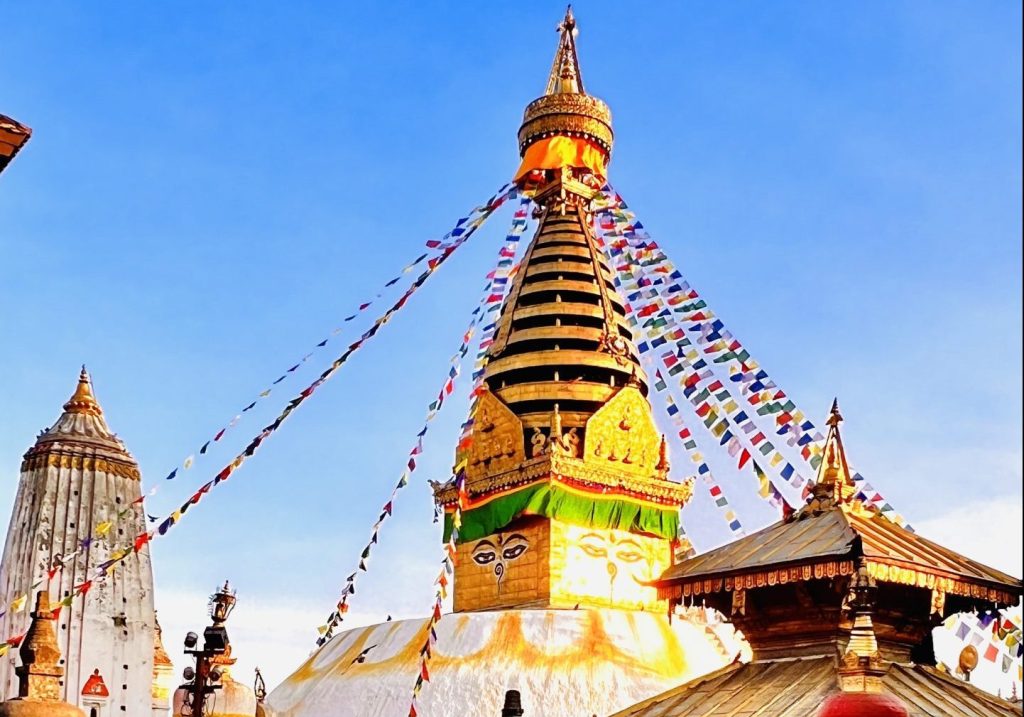
We will visit Swayambhunath Stupa, which is situated in the west of Kathmandu. This is an ancient stupa at the top of a hill. You will see many varieties of trees here. At first, you will see three substantial gold statues of Budhha, which are unique. Then we will take the steps to the top. Enjoy the fantastic view of the Kathmandu valley from the top of the hill. People following Buddhism come here to worship, whereas you will also see many local tourists enjoying the beauty of the stupa.
We will return to the hotel for the night.
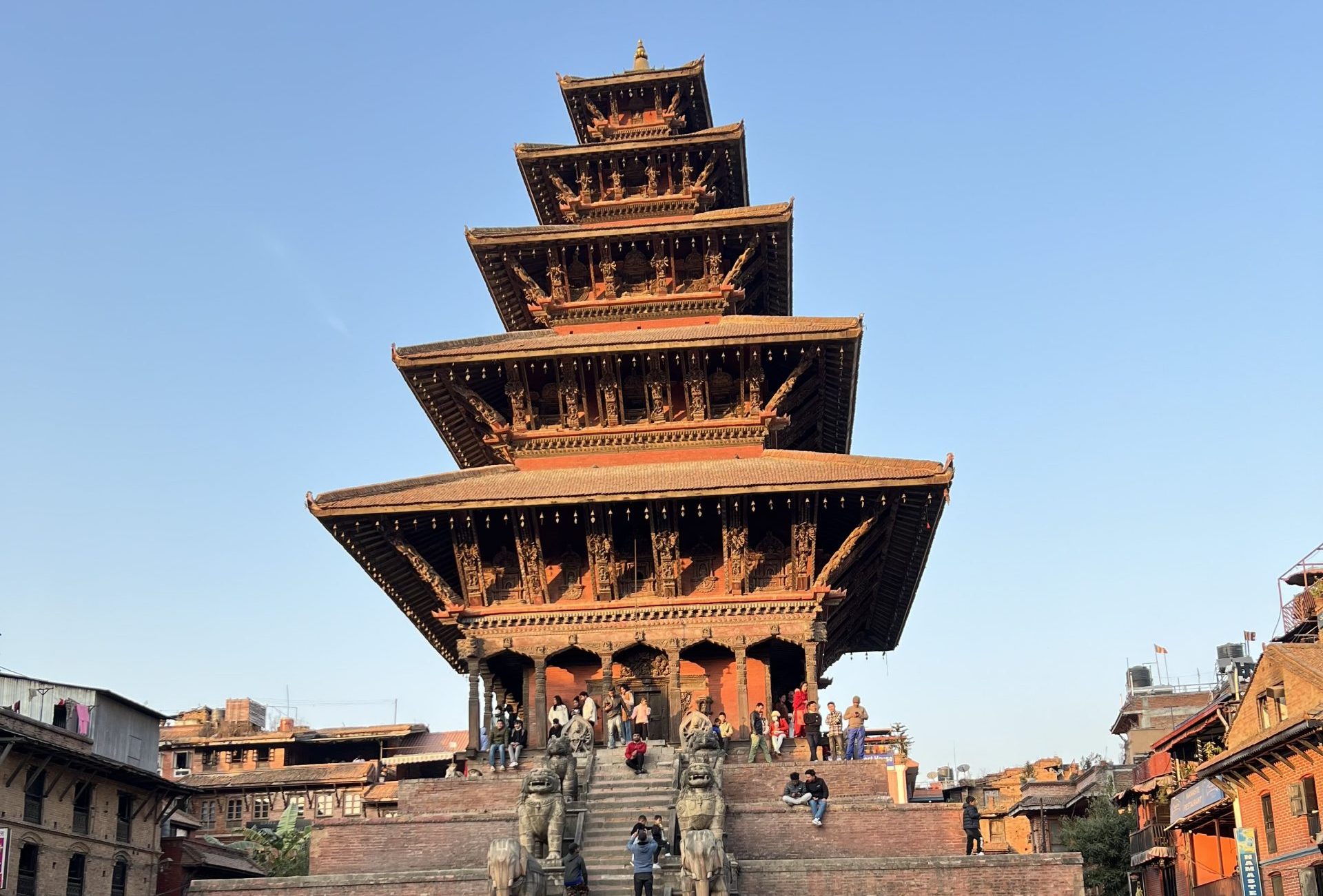
After having breakfast, we will go sightseeing at the historical places around the valley. At first, we will visit the Bhaktapur Durbar Square, locally known as Khwopa Lyaku, located 13km east of Kathmandu. It was the royal palace of the Bhaktapur Kingdom. Here, you will see four distinct squares: Tumadhi square, Dattatreya Square, Durbar square, and Pottery square. The place has a lot of details which the guide will explain. The new community has been settled here for many years.
Then we will head towards Patan Durbar Square, situated in the centre of Lalitpur city. This is where the royal palace of the Malla Kings of Lalitpur is located.
You will see the Durbar square marvelled of Newar architecture. The floor is made of red bricks. Here you can see the Krishna temple faced in the western side of the palace. You can see the insides of the museum. The Newari cuisines are a lot famous in this area.
The final stop of the day is Kathmandu Durbar Square, also known as Basantapur Durbar Kshetra, the ancient royal palace of the Kathmandu Kingdom. Many building of the square has been destroyed due to the massive earthquake of 2015. There is a lot to explore around durbar square. The museum has a lot of reflection of past culture and tradition. In the evening Basantapur area is filled with visitors and tourists. We can spend the evening here.
These entire three durbars square are enlisted in the UNESCO world heritage site. We will return to our hotel for the night.
After having breakfast, we will drive towards Namobuddha that lies 26 miles southeast of Kathmandu. Namo Buddha sits on a hilltop, offering breathtaking views of Everest and the Langtang himalayan ranges.
This place is famous for a short hike that leads to a peaceful cultural site. Namobudha is far from pollution and crowds. The roué passes from Bhaktapur and then Banepa.
Namobuddha is one of the three most important Buddhist stupas of Kathmandu valley. When you reach the top, you’ll be greeted by a stunning and culturally significant stupa. This place is only crowded on a few occasions, like Buddha Jayanti. It is said that Namobuddha was built on the bones and hair of Prince Mahasattva. Along with the main stupa, you can also visit the Mahakala temple, Dewachen temple, and monastery.
In the evening, we will return to the hotel in Kathmandu.
Early in the morning, we will leave for Chandragiri. Chandragiri is one of the famous hill stations popular among local tourists situated at 2500m. Chandragiri holds historical importance in Nepal. This place is perfect for picnics, family and friend gatherings, meetings, etc. After we reach Chandragiri, we will take the tickets for the cable car.
Then we will visit the Chandragiri Temple – Bhaleshwor Mahadev and the view tower. There are restaurants at the top of the hill where we will have our food. You can enjoy a glimpse of Mt. Manaslu, Langtang, Annapurna, Jugal, and more from here. There is also a park called Switzerland Park in Chandragiri Hills; you can visit there too. After spending the day, we will return to the hotel in Kathmandu in the evening.
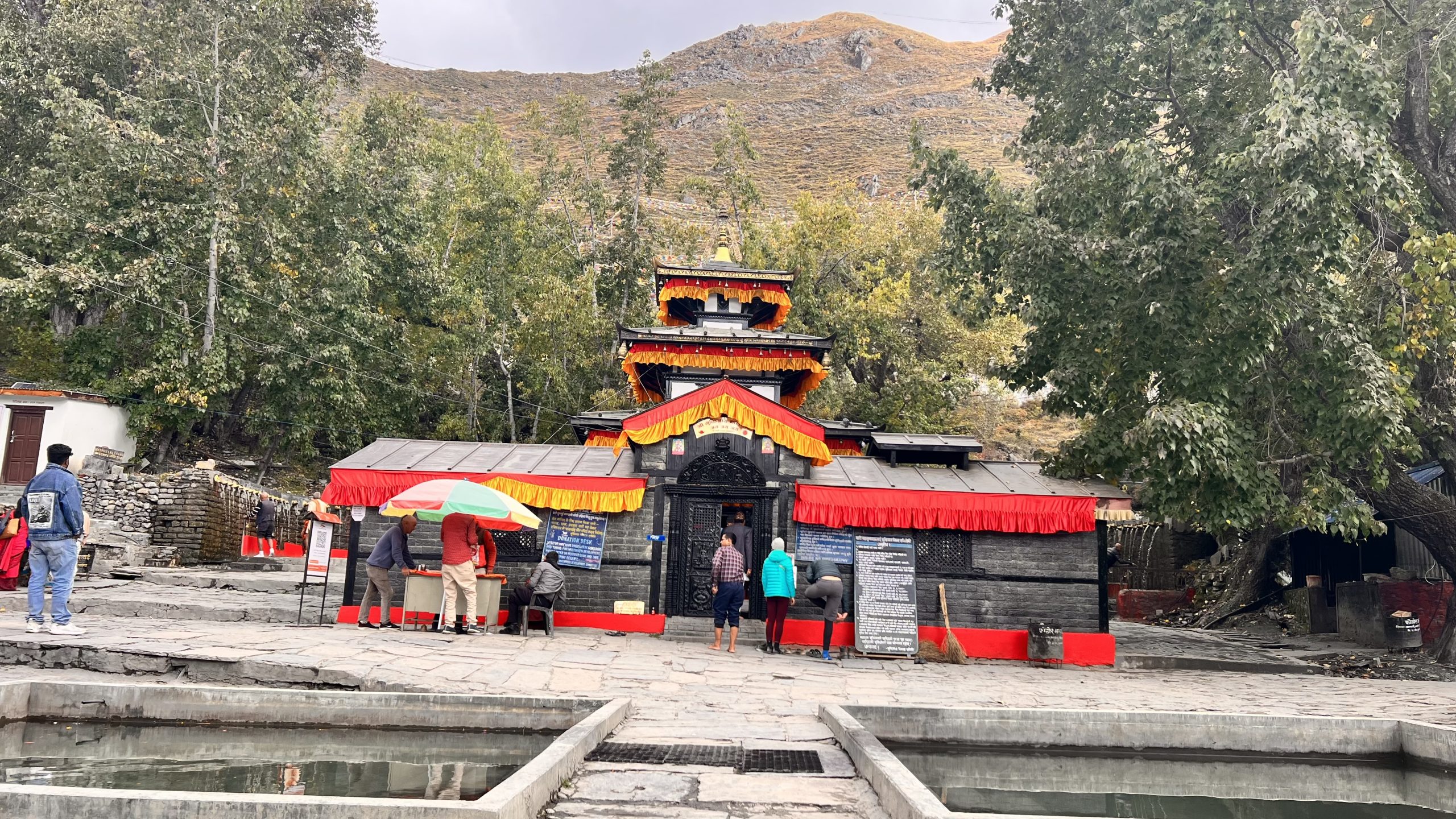
Early in the morning, we will pick you up from your hotel and take you on a drive to Manakamana. You can choose local transportation or private vehicle as per your cost choice. We will be going on the Prithivi Highway with a great view of green hills and river alongside. Once you reach the manakamana, You will take the cable car to cross to Temple's other sides. holistic tour takes you to one of the oldest temples in Nepal – Manakamana Temple.
Manakamana means the wish of the heart. It is believed that if you visit here and ask for your desire, it will be granted by the goddess of appetite – Manakamana. Many pilgrims visit here every year to fulfil their wishes and take blessings. The temple is situated at an elevation of 1302m in the Gorkha district. The cable car ride gives you a beautiful view of the Trishuli River in the south and Marshyangdi to the west. The total timing of a cable car is 8.40 minutes. We will first visit the temple and then have a delicious local Nepali Khana set. Here are also small photo studios that give you a frame with you in front of the temple.
Overnight stay in a lodge in Manakamana.
Early in the morning, we will depart from Manakamana and head toward Pokhara. The short drive continues via Prithivi Highway. After reaching Pokhara, we will transfer to a lakeside hotel for a better view. We have one day to sightsee Pokhara, which is insufficient as Pokhara has a lot to offer.
Firstly we will go on boating in Phewa Lake and visit the Tal Barahi Temple of Goddess Durga located on a small island in the centre of Phewa Lake. After this, we will take a drive to Vindhya Basini Temple. From here, you can also spot the peaks of the Annapurna ranges. We will then head upward to Sarangkot, located on a hill. Here, you will get majestic views of Annapurna, Dhaulagiri Manaslu, and the whole city. This spot is known as one of the best places for paragliding.
Finally, we will return to the hotel and enjoy the lakeside view at night.
You can either go Lumbini by roadway or airway, whichever you prefer. If we are going by road, we will have to leave early to enjoy the day and explore more. Lumbini is the birthplace of Siddhartha Gautam, the lord Buddha which is situated in the Rupandehi district. As soon as we reach there, we will transfer the luggage to the hotel.
It is the holy place that resembles peace. In Lumbini, we will visit historical and religious sites Maya Devi Temple, which has the remains of viharas, numerous layers of bricks, and stupas. The Ashoka Pillar testifies as to the proof of birth of Lord Buddha due to the testified inscription on the pillar found by Emperor Ashoka in 249 BC. To see the art & crafts, we will visit the Lumbini museum. Then we will take a quick look at the Thai Buddhist Monastery, Dharma Swami Maharaja Buddha Vihar, Srilankan Monastery, Cambodian Monastery, Myanmar Golden Temple, China Temple, and more monasteries built by various nations inside the Lumbini territory. You can also buy some stuff from local shops which give you the memory of Lumbini and its arts.
Overnight stay in the hotel in Lumbini.
After having breakfast, we will visit the remaining monasteries and sites of Lumbini. We are not missing the World Peace Pagoda, which is a symbol of peace. You can take pictures on most of the sites for memory and posts. We will have our lunch in the hotel. After enjoying the sites and learning their history, we will take a flight to Kathmandu from the Gautam Buddha Airport in the afternoon.
Upon arriving back in Kathmandu, we will transfer you to the hotel. Overnight stay in hotel in Kathmandu.
After visiting the most historic and culturally rich places, it is time to rest our souls mentally and physically. Early morning we will leave for Osho Tapoban, which is 10km away from Kathmandu city. Osho Tapoban is situated in Nagarjun Hill with a peaceful environment. You can find various meditation camp packages; you can choose them according to the time you want to spend here.
you will spend here for two nights and three days for meditation and yoga to rejuvenate your mind and body. We will be joining the weekend meditation camp, which starts on Friday and ends on Sunday. This camp is for those participants who cannot take part in longer retreats.
The daily meditation schedule is shown below:
Yoga, Pranayama, and Silence Sitting
7:00 - 8:00am
Dynamic Meditation
8:15 – 9:30 am
Brunch
9:30 – 10:30 am
Meditation 3rd Session
11:30 – 1:00
Tea and Snacks
2:30 – 3:00 pm
Nadhnramha Meditation
3:30 – 4:30 pm
Kundalini Meditation
5:00 – 6:00 pm
Shower and Dinner
6:30 – 8:00 pm
Evening Satsang Celebration
8:00 – 9:30 pm
It is compulsory to wear a white robe during the evening Satsang celebration, which you can take by yourself or buy in there. Also, buy yourself a maroon robe for other activities. All the activities will be explained in the meditation centre.
After finishing the three days session, your mind and body will be refreshed and spiritually satisfied. A couple of days without contact with the outside world and social sites in this greenery environment add great memory to your life.
On the third evening, we will take a leave to our hotel.
Our representative will drop you at the TIA as per your flight schedule. The entire Infinite Nepal team has been grateful to be a part of your travel journey. You can always feel free to contact us for further travels and treks in Nepal; we are always at your service. We wish you a safe flight.
Some Useful Information of 13 Days Nepal Historical, Religious and Cultural Tour
Accommodation During The Tour
Throughout this 13-day journey, you’ll stay in a range of accommodations that reflect the unique blend of traditional Nepali hospitality and modern conveniences. In major cities like Kathmandu and Pokhara, expect comfortable hotels equipped with amenities such as Wi-Fi, hot showers, and restaurants offering both local and international cuisine. These accommodations are chosen for their comfort, cleanliness, and proximity to the key attractions you’ll be visiting.
During your stay at the meditation camp in Osho Tapoban, the environment is intentionally simple, designed to foster a peaceful and reflective state of mind. Rooms here are modest yet comfortable, with facilities that support a meditative and introspective experience. The focus at Tapoban is on spiritual growth, so the accommodations are free of unnecessary distractions, encouraging guests to immerse fully in the meditation practices.
Best Time to Undertake This 13 Days Nepal Historical, Religious and Cultural Tours
The best time for this cultural and spiritual journey is during the spring (March to May) and autumn (September to November) seasons. Springtime in Nepal is marked by blooming rhododendrons and clear skies, making it an excellent time for both sightseeing and enjoying the panoramic views of the Himalayas. The weather is generally mild, with daytime temperatures ranging from 15°C to 25°C in the lower altitudes, providing comfortable conditions for exploring cultural sites and engaging in outdoor activities.
Autumn is another perfect season, as the monsoon rains have cleared, leaving behind lush landscapes and pristine, dust-free air. The skies are at their clearest, offering breathtaking views of the snow-capped peaks. Temperatures during autumn are similar to those in spring, making it a pleasant time to visit without the extremes of summer heat or winter cold.
Cultural Etiquette
Nepal is a country rich in cultural traditions and religious practices, and as a visitor, it’s important to show respect for these customs. When visiting temples, stupas, and other religious sites, modest attire is essential.
Before entering the Temples or homes, remove your shoes. When exchanging or receiving gift or something, always use both hands as a sign of respect. It’s also polite to greet locals with a slight bow and the traditional “Namaste” gesture. Photography is generally welcome, but it’s courteous to ask for permission, especially when photographing people, monks, or religious ceremonies. Being mindful of these practices will enhance your cultural experience and help you connect more deeply with the local communities.
Health and Safety Considerations
While the Nepal Historical, Religious, and Cultural Tour is not physically strenuous, it does involve some walking and stair climbing, especially at religious sites situated on hills or elevated platforms. Therefore, moderate level of fitness is recommended. To ensure your well-being during the tour, it’s advisable to carry a personal first-aid kit, any necessary medications, and to stay hydrated, particularly when visiting higher altitudes such as Namobuddha. Travel insurance is strongly recommended to cover the medical emergencies, trip cancellations, and personal liabilities.
Nepal has a wide range of healthcare facilities in major cities, but access to medical care can be limited in remote areas, so it’s best to be prepared. The tour operator will also provide guidance on necessary vaccinations and health precautions before your trip.
Visa and Entry Requirements:
A tourist visa can be obtained on arrival at Tribhuvan International Airport in Kathmandu or from Nepalese embassies and consulates worldwide. Be sure to check the latest visa requirements before you travel.
Currency and Payment Methods:
It’s advisable to carry some local currency Nepalese rupees as a cash, especially in rural areas where credit card facilities might not be available. ATMs are widely available in cities, but they may charge a fee for international cards.
Climate and What to Pack:
Depending on the season, pack appropriate clothing. Lightweight cotton clothes are suitable for spring and autumn, while a warm jacket, gloves, and hat might be necessary for the cooler evenings. Make sure to bring sunscreen, sunglasses, a hat, and comfortable walking shoes for your journey.
Responsible Tourism:
It’s important to practice responsible tourism while you are in Nepal as a Guest. This includes respecting local customs, minimizing waste, and supporting local businesses by purchasing handicrafts and souvenirs from local artisans. Consider contributing to community projects or environmental conservation efforts to give back to the places you visit.
1 Day

Write Your Review