


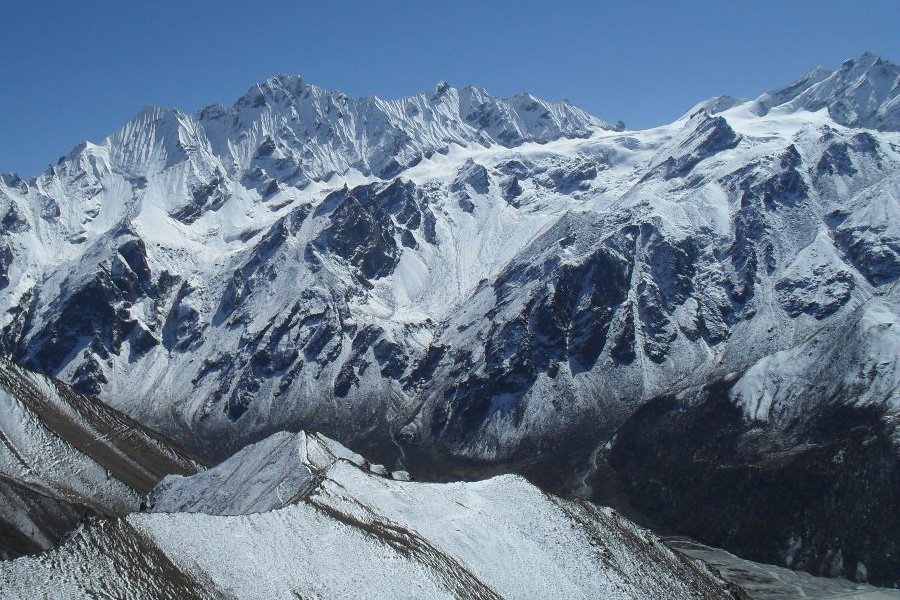
Island Peak, which is also known as Imja Tse Peak, stands tall at 6,189 meters in the Khumbu region of Nepal, particularly in the Everest area. Its unique name comes from its striking position in the middle of the Chhukung valley, resembling an island amidst a sea of ice. Despite being renamed Imja Tse, the original name still remains more popular.
This peak offers an accessible and affordable opportunity to experience high altitudes, reaching above 6,000 meters. Island Peak Climbing tests your comfort at such heights while enjoying breathtaking views of Everest Region’s towering peaks, including the renowned Lhotse, Makalu, and Ama Dablam.
Island Peak Climbing with Everest Base Camp Trek is for those who seek both trekking and climbing adventures. This climbing is an incredible journey into the heart of the Himalayas. Island Peak’s allure lies in its glaciated West Face rising from the Lhotse Glacier, providing an adventurous ascent with stunning vistas of neighboring peaks like Mt Nuptse, Mt Lhotse, Lhotse Middle Peak, and the yet unconquered Lhotse Shar.
Besides the awesome trekking and climbing, Island Peak gives you more than just stunning mountain views. It lets you dive into the Sherpa community and lets you get to know their special culture and traditions. It’s not just about reaching the summit; it’s about soaking in the beauty around and connecting with the Sherpa people. You can experience their unique way of life, making your journey not just an adventure but also a cultural exploration.
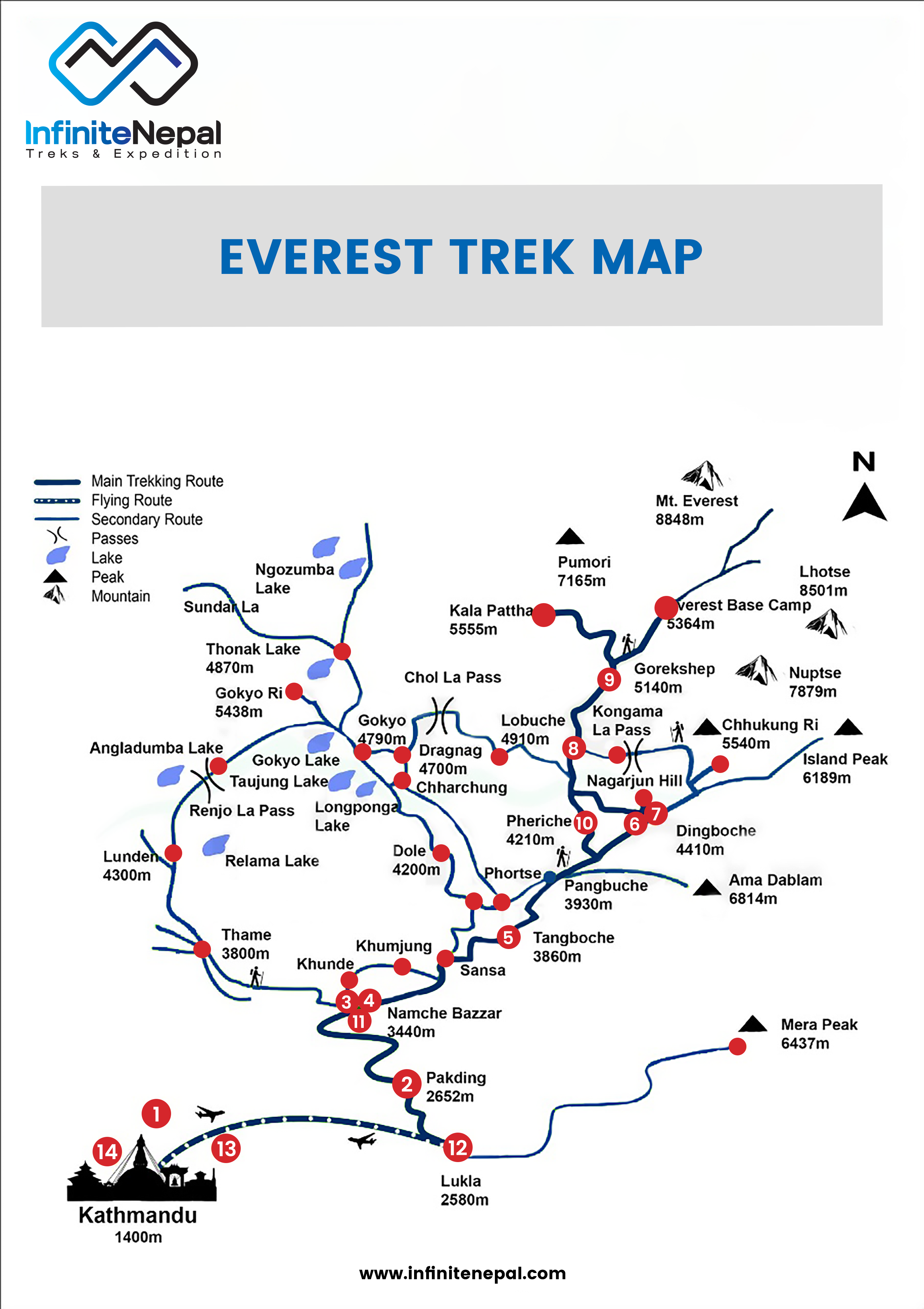
Our team has carefully crafted a climbing itinerary so you won’t miss out on visiting Everest Base Camp and Kala Pathar while prioritizing acclimatization. We are also committed that our climber gets a smooth and safe journey to the summit of Island Peak. No matter how challenging the journey is, our expert will provide the necessary assistance, making it easier to conquer this peak, an unforgettable experience.
When you’re in Kathmandu, you’ll stay in a hotel or guesthouse. You can find places that suit your budget, from inexpensive to fancy ones. Usually, many standard hotels include complimentary breakfast, but you’ll have to pay for your other meals. Where you stay and what you eat depends on your preferences and budget.
When you’re trekking, you’ll stay in teahouses overnight. These places offer basic things like a room, blanket, bathroom, Wi-Fi, food, and electricity. The dining area is usually open for everyone staying there, and you might share toilets with others. Three meals are provided in the tea house: breakfast, lunch, and dinner. The food might be basic and limited to what you can find in the city area. You can choose various typical Nepali food, Tibetan, Indian Continental, Italian, and Indian cuisine. Also, you can find hot, cold, and alcoholic beverages. Choose the foods from the menu that give your body lots of energy for climbing.
Go for things that are packed with nutrition to fuel you up. Think of foods like fruits, veggies, nuts, and whole grains. They’ll help keep you strong and ready for the climb.
Your team will set up the tent for you while staying in the base camp. An expert chef will cook a delicious meal for you. You need to bring your own sleeping bag while staying in the tent.
Everest Base Camp Trek, combined with the Island peak climbing, offers peerless exploration for seasonal trekkers as well as for new beginners. Choosing the right time for this exhilarating journey is crucial. The ideal timeframes for the Island Peak Climbing is during the spring and the autumn seasons. These seasons boast clear skies, pleasant temperatures, and breathtaking visibility, making the ideal environment for a successful ascent.
However, venturing during the summer is not recommended due to heavy rainfall, which can lead to avalanches and hinder the climbing journey. Thick fog enveloping the mountain obscures visibility, making it less desirable for an Island Peak trek. If the scheduled time does not align with the recommended seasons, daring trekkers can consider off-season climbing in winter. Be prepared for challenges such as heavy snowfall, extreme cold, and limited tea establishments, as winter is less favored for Island Peak ascents.
Despite the challenges, a winter expedition offers unique advantages, including a quieter trail and the added thrill of overcoming the difficulties posed by Island Peak in harsh weather conditions. Only begin the journey with fully equipped gear and equipment, and extra caution is required.
Climbing at the high altitude of the Island Peak Climbing is tough. However, it offers a unique chance to experience the legendary Everest Region. Island peak climbing involves real climbing, tackling crevasses, and using specialized equipment like spikes, ropes, and jumars. If you are an experienced climber, then it’s not so difficult for you, but if you are a beginner, you need some training to use this technical equipment.
Another big challenge that you need to deal with is altitude sickness. Altitude sickness can happen to anyone while climbing. Climbing at an altitude of above 6000 meters is a serious task. So you need to be very careful and follow all the instructions given by your Guide.
Reaching the final part of the summit is also another problematic part. You have to get up really early in the morning and push yourself to reach the summit before strong winds pick up later in the day. You need to cross the crevass on ladders, and tackling a steep section with a jumar is the final part of the summit. Also, the steep descent back to camp can be tough on the knees.
Even Though you are a beginner, you don’t have to worry at all because our expert team will provide the essential training while you are on trial. With strong determination, planning, preparation, and trekking with professional trekking agencies like us, it will be easy. Despite the difficulty, with determination and the thrill of conquering a Himalayan peak, the challenges will likely fade from memory.

15 Days



Write Your Review