
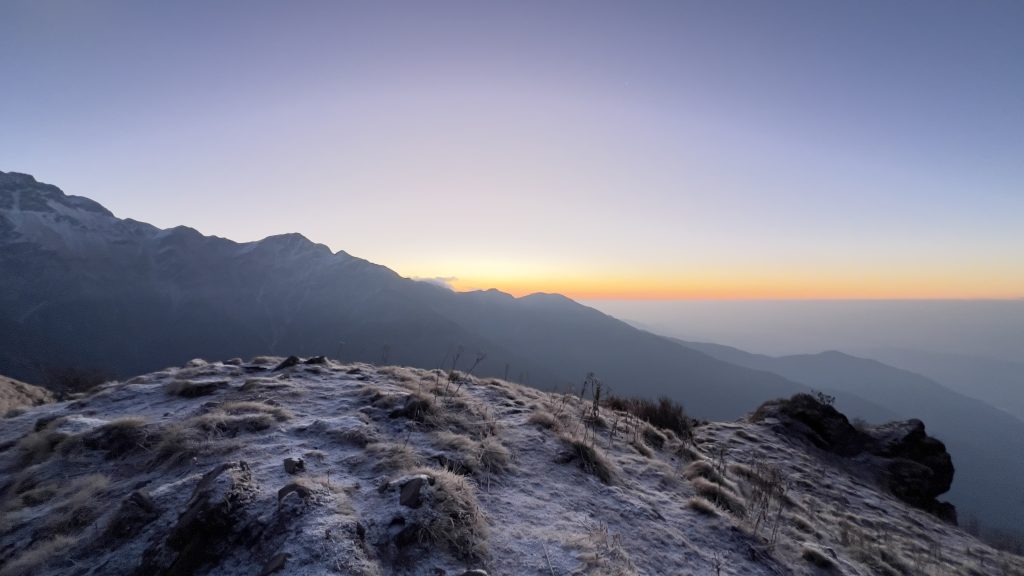
Mardi Himal Trek: A four season trekking destination in Nepal
Highlights:
-
- Enjoy panoramic vistas of the Annapurnas, including Machhapuchhre, Annapurna South, Mardi Himal.
-
- Trek through secluded villages to immerse yourself in the Gurung culture and traditions.
-
- Wander through rhododendron forests adorned with vibrant blossoms.
-
- Traverse quieter trails for a serene hiking experience.
-
- Reach Mardi Himal Base Camp, encircled by majestic Himalayan peaks.
-
- Behold the rare and magnificent east face of Machhapuchhre.
-
- Discover emerging trekking paths, far from the bustling main routes.
Mardi Himal Trek Elevation Details
Kathmandu: 1350 meters (4419 feet)
Pokhara: 822 meters (2,696ft)
Deurali (2,600m/8,530 ft)
Low Camp (2,970m/9,744 ft)
Mardi Himal High Camp: 3,550 meters (11,647 feet)
Mardi Himal Base Camp: 4,500 meters (14,763 feet) – reached after a 2-3 hour climb from the upper viewpoint.
Sidhing Village: 1700 meters (5577feet)
Mardi Himal Trek Overview
The Mardi Himal Trek has rapidly become a must-visit destination for trekkers worldwide, offering breathtaking views of the Annapurna range and an immersive experience in the unspoiled Himalayan wilderness. Its blend of serene landscapes, diverse flora and fauna, and panoramic mountain vistas makes it an ideal choice for those seeking both adventure and tranquility.
Mardi Himal is known as a four-season trekking destination, meaning you can trek here at any time of the year. If you have limited time, the Mardi Himal trek is a suitable choice. It is a short and relatively easy but highly rewarding trekking experience in Nepal.
Adventure and Beauty Combined
On the Mardi Himal trek, you will experience all the features of a classic adventure trek. From the challenging trails that lead to awe-inspiring viewpoints to the serene paths through ancient forests, every step brings new wonders. The trek offers the thrill of walking in the shadow of majestic peaks, including the Mardi Himal and Machapuchare (Fishtail), and the satisfaction of reaching high-altitude viewpoints that offer panoramic vistas.
Cultural Immersion
The trek also provides a deep cultural experience as you pass through typical Nepali villages. These villages, with their traditional Nepali-style houses, temples, and monuments, offer a glimpse into the local way of life. Interacting with the friendly and hospitable locals, you will feel safe and delighted. Their warm hospitality and unique customs will leave a lasting impression, creating a special connection in your heart.
Mardi Himal Trek in Spring (March, April and May)
Spring is a vibrant and refreshing season for the Mardi Himal trek. The temperatures are comfortably warm, and the trail comes alive with blooming rhododendrons and other wildflowers, painting the landscape in brilliant colors. This period is ideal for trekkers who enjoy moderate weather and beautiful floral displays. The clear skies and moderate temperatures offer excellent trekking conditions and stunning panoramic views of the surrounding peaks. However, spring is also a popular season, so you might encounter more trekkers on the trail. The combination of pleasant weather and natural beauty makes spring a particularly rewarding time to embark on the Mardi Himal trek.
Mardi Himal Trek in Monsoon (June, July and August)
Trekking the Mardi Himal during the monsoon season offers the ultimate beauty of nature and an unforgettable experience in the Himalayas. For nature lovers, this is the perfect time to witness nature at its peak. During the monsoon, you’ll be amazed by dense green forests, countless waterfalls, alpine grasslands, snowy mountains, monsoon streams, and major rivers. There’s no doubt that during this season, nature is at its most vibrant.
Note: During the monsoon season, the trail might be slippery. Prepare yourself before deciding to go to Mardi Base Camp, and it might be better to stop at High Camp. If it snows heavily, avoid attempting to reach Base Camp, as there have been cases of tourists going missing on the way. Always trek with an experience guide during this season.
Mardi Himal Trek in Autumn (September, October and November)
Autumn season is the best time for the Mardi Himal trek. The weather is neither too hot nor too cold, providing ideal trekking conditions. The days are characterized by clear skies and moderate temperatures, which enhance visibility and make trekking enjoyable. The surrounding landscape is lush and vibrant, thanks to the post-monsoon rejuvenation. The trails are less crowded compared to the peak season, providing a more serene and intimate trekking experience. This season also offers spectacular views of the Annapurna and Dhaulagiri ranges, with the crisp air making the panoramic vistas even more breathtaking.
Mardi Himal Trek in Fall (December, January and February)
Fall, or winter, brings a different charm to the Mardi Himal trek. The colder temperatures make for a unique trekking experience, with the possibility of snow on higher elevations adding a magical touch to the landscape. Daytime temperatures are generally crisp and clear, but can drop significantly at night, especially at higher altitudes. Trekkers should be prepared for cold weather and possible snow, but those who are well-equipped and ready for the chill will be rewarded with stunning snow-capped views and fewer trekkers on the trail. The stark beauty of the winter season creates an otherworldly atmosphere, perfect for those seeking solitude and tranquility amidst nature’s quiet splendor.
Mardi Himal Trek Itinerary
Day 1: Drive or Flight to Pokhara (822m/2,696ft)
Duration: Drive (6-7 hours) or Flight (30 minutes)
Terrain: Scenic drive or short flight over hilly terrain
Your adventure begins in Kathmandu, where you can choose to either drive or fly to Pokhara.
Drive: The drive from Kathmandu to Pokhara takes approximately 6-7 hours by tourist bus or private vehicle. The scenic drive follows the Prithvi Highway along the Trishuli River, offering views of terraced farmlands, rural villages, and distant mountains.
Flight: A flight from Kathmandu to Pokhara takes about 25-30 minutes. This option provides stunning aerial views of the Himalayas, including glimpses of Langtang, Manaslu, and Annapurna ranges.
Upon arrival in Pokhara, you can explore the lakeside area, a popular tourist hub with numerous restaurants, shops, and cafes. In the afternoon, consider a short hike or drive to the World Peace Pagoda, which sits atop a hill and offers panoramic views of Pokhara, Phewa Lake, and the Annapurna range. Watching the sunset from here is a tranquil experience.
Day 2: Drive from Pokhara to Kande, then Trek to Deurali (2,600m/8,530 ft)
Duration: Drive (2 hours) + Trek (4-5 hours)
Terrain: Gradual uphill with forested paths and mountain views
Begin your day with a hearty breakfast in Pokhara before embarking on a scenic 2-hour drive to Kande, the starting point of your trek.
Drive to Kande: The drive takes you through picturesque countryside, passing small villages and lush green hills.
Trek to Deurali: From Kande, the trek starts with a gradual uphill climb through a forested trail leading to the village of Pothana. This initial section offers beautiful views of the Annapurna range and the lush greenery of the surrounding hills.
Pothana Checkpoint: At Pothana, you will need to check your trekking permits. This is also a good place to take a short break and enjoy the scenic views.
Continue to Deurali: The trail continues uphill to Deurali, passing through rhododendron forests and offering occasional glimpses of the mountains. The trek to Deurali takes about 4-5 hours from Kande.
Upon reaching Deurali, settle into a teahouse for the night. Deurali is a small settlement with a few lodges and offers spectacular views of the Annapurna and Dhaulagiri ranges.
Day 3: Deurali to Low Camp (2,970m/9,744 ft)
Duration: Trek (6-7 hours)
Terrain: Jungle walk through dense, lush green forests with shaded, easy walking paths
Start your day with a hearty breakfast at the teahouse in Deurali before embarking on a memorable jungle walk. The trail winds through dense, lush green forests, offering a shaded and relatively easy walk. You’ll traverse through enchanting rhododendron and oak forests, with the canopy providing a natural cover from the sun. As you walk, enjoy the serene atmosphere and listen to the sounds of birds and rustling leaves. Occasionally, you may spot wildlife such as deer and monkeys. The trail is well-marked and gradually ascends, making the walk pleasant and not too strenuous. Upon reaching Low Camp, you’ll be greeted by stunning views of Mount Machapuchare (Fishtail) and Mardi Himal. Settle into a cozy teahouse for the night, enjoying a warm meal and the tranquil mountain ambiance.
Day 4: Low Camp to High Camp (3,580m/11,745 ft)
Trek Duration: 5-6 hours
Terrain: Steep and rugged trail
After breakfast, prepare for a challenging yet rewarding trek from Low Camp to High Camp. The trail is steep and mostly uphill, demanding a good level of fitness and stamina. You’ll pass through the small village of Badal Dada, which is often enveloped in a layer of beautiful clouds, creating a mystical atmosphere. As you ascend, the landscape changes from dense forests to alpine meadows and rocky terrains. The views become more expansive, with breathtaking vistas of Annapurna South, Hiunchuli, and Machapuchare. The higher altitude and rugged path make this section of the trek more demanding, but the panoramic views are worth the effort. Upon arrival at High Camp, you can rest and acclimatize while enjoying the spectacular mountain scenery. Overnight at a teahouse in High Camp, where you’ll experience the warmth of local hospitality.
Day 5: High Camp to Upper Viewpoint, then Trek to Mardi Himal Base (4,500m/14,763ft)
Duration: Trek to Upper Viewpoint (3 hours) + Trek to Base Camp (2-3 hours) + Return to High Camp (3 hours)
Terrain: Steep uphill to the viewpoint, then further uphill to the base camp with remote and challenging paths
This is the most challenging and rewarding day of your trek.
Early Start: Begin your trek around 4 am to make the most of the clear morning weather and to have ample time to reach the base camp and return.
Trek to Upper Viewpoint: The trail from High Camp to the Upper Viewpoint is steep and involves a strenuous uphill climb. This section takes about 3 hours and requires careful footing, especially in the dark, so a headlamp is essential. As you ascend, the views of the Annapurna South, Hiunchuli, Machapuchare (Fishtail), and other peaks become increasingly stunning.
Continue to Mardi Himal Base Camp: From the Upper Viewpoint, the trail continues for another 2-3 hours to reach Mardi Himal Base Camp. This part of the trek is less steep but still challenging due to the altitude and terrain. Along the way, you’ll traverse alpine meadows and rocky paths, with panoramic views of the surrounding peaks and valleys.
At Mardi Himal Base Camp: Upon reaching the base camp, spend 15-20 minutes taking in the breathtaking views and capturing photos. The base camp offers a close-up view of the Mardi Himal and the surrounding Himalayan giants.
Return to High Camp: After soaking in the beauty of the base camp, start your descent back to High Camp. The return trek takes approximately 3 hours. Be cautious on the steep sections and take your time to avoid any mishaps.
Day 6: Mardi High Camp to Siddhing
Trek Duration: 5-6 hours
Terrain: Downhill trail through forests and small villages with scenic mountain views
Start your descent from Mardi High Camp to Siddhing after breakfast. The trek down offers a different perspective of the trail you’ve already covered, with opportunities to notice details you might have missed on the way up. The path winds through forests and pastures, gradually leading you to lower altitudes. Siddhing is a small but charming village nestled at the foothills of the mountains. It offers a peaceful retreat with a few teahouses providing comfortable accommodations. The village atmosphere is serene, and you’ll have time to relax, interact with locals, and enjoy the surrounding natural beauty. Overnight stay at a cozy teahouse in Siddhing, where you can reflect on your trekking journey over a warm meal.
Day 7: Drive back to Pokhara from Siddhing
Duration: Drive (3 hours)
Terrain: Scenic drive along the river and through villages and hills
Route: Scenic drive along Modi Khola, Nayapool, and Lumle
After a final breakfast in the mountains, prepare for your return to Pokhara. The drive from Siddhing to Pokhara takes approximately 3 hours and is a scenic journey that follows the Modi Khola River. You’ll pass through picturesque landscapes, terraced fields, and traditional villages. The route offers a glimpse into the daily lives of the local people and the natural beauty of the region. As you approach Pokhara, you’ll be greeted by the familiar sights of this vibrant lakeside city. Once in Pokhara, you can relax and unwind, enjoying the comforts of city life after your trekking adventure. Take the opportunity to explore the lakeside area, visit local cafes, or simply rest and reflect on your memorable trek to Mardi Himal.
How much does the Mardi Himal Trek cost?
The cost for the Mardi Himal Trek can vary based on the level of service, duration, and the trekking agency. Generally, it ranges from USD 500 to USD 800 per person for a standard package that includes permits, accommodation, meals, a guide, and porter services. This does not include personal expenses, travel insurance, and additional services.
How difficult is the Mardi Himal Trek?
The Mardi Himal Trek is considered a moderate trek compared to other trekking destination of Nepal like Everest and Annapurna Trek. It is suitable for trekkers with some previous experience or those in good physical condition. The trail involves some steep ascents and descents but does not require any technical climbing skills. Daily walking hours range from 5 to 7 hours, depending on the itinerary and pace.
Which month of the year is best for the Mardi Himal Trek?
The best months for the Mardi Himal Trek are during the pre-monsoon (March to May) and post-monsoon (September to November) periods. These months offer the most stable weather conditions, clear skies, and the best views of the mountains. The rhododendron forests are in full bloom in the spring, making it a particularly beautiful time to trek.
Fitness level required for the Mardi Himal Trek
A moderate level of fitness is necessary for the Mardi Himal Trek. Trekkers should be able to walk for 5-7 hours a day over hilly terrain. Prior trekking experience is beneficial but not essential. Regular cardiovascular exercise such as hiking, jogging, or cycling is recommended in preparation for the trek. Additionally, some strength training can help with endurance and managing the ascents and descents on the trail.
Conclusion: A Trek for All Seasons
The Mardi Himal trek is a remarkable journey that showcases the best of Nepal’s natural beauty and cultural richness, making it an ideal trekking destination throughout the year. With breathtaking views of the Himalayas, dense forests, and vibrant alpine meadows, this trek offers an unforgettable adventure. Whether you choose to trek during the lush monsoon season, the vibrant autumn, the crisp winter, or the blooming spring, Mardi Himal always has something unique to offer.
A Trek for All Seasons
The Mardi Himal trek is accessible and enjoyable in all seasons:
Spring (March, April and May): Enjoy the vibrant rhododendron forests in full bloom and clear mountain views.
Summer/Monsoon (June, July and August): Witness the lush greenery, countless waterfalls, and the peak beauty of nature, albeit with some challenges due to slippery trails.
Autumn (September to November): Experience the most stable weather, neither too hot nor too cold, perfect for trekking.
Winter/Fall (December, January and February): Trek through crisp, clear days and enjoy the solitude and pristine beauty of snow-covered landscapes.
Whether you are seeking adventure, cultural immersion, or simply the beauty of the Himalayas, the Mardi Himal trek is a destination that will not disappoint, offering an enriching experience every time of the year.
