Destination

icons
Duration
18 Days
icons
Tour Type
Adventure
Climbing
Nepal

EBC Trek with Island Peak Climbing – 18 Days

Island Peak, which is also known as Imja Tse Peak, stands tall at 6,189 meters in the Khumbu region of Nepal, particularly in the Everest area. Its unique name comes from its striking position in the middle of the Chhukung valley, resembling an island amidst a sea of ice. Despite being renamed Imja Tse, the original name still remains more popular.

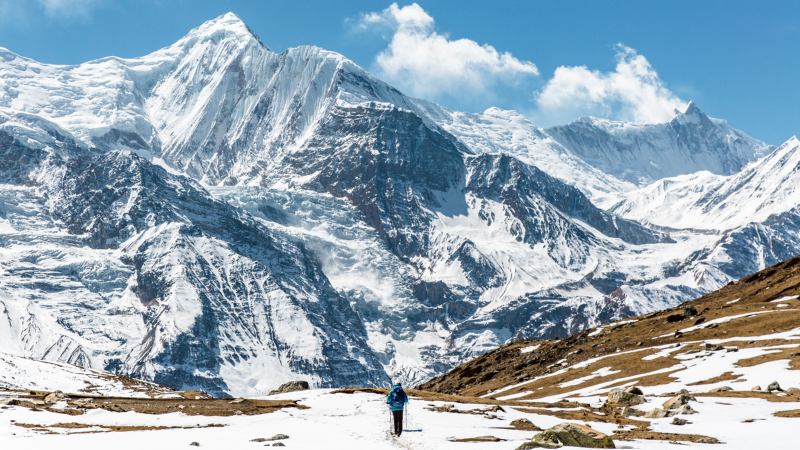
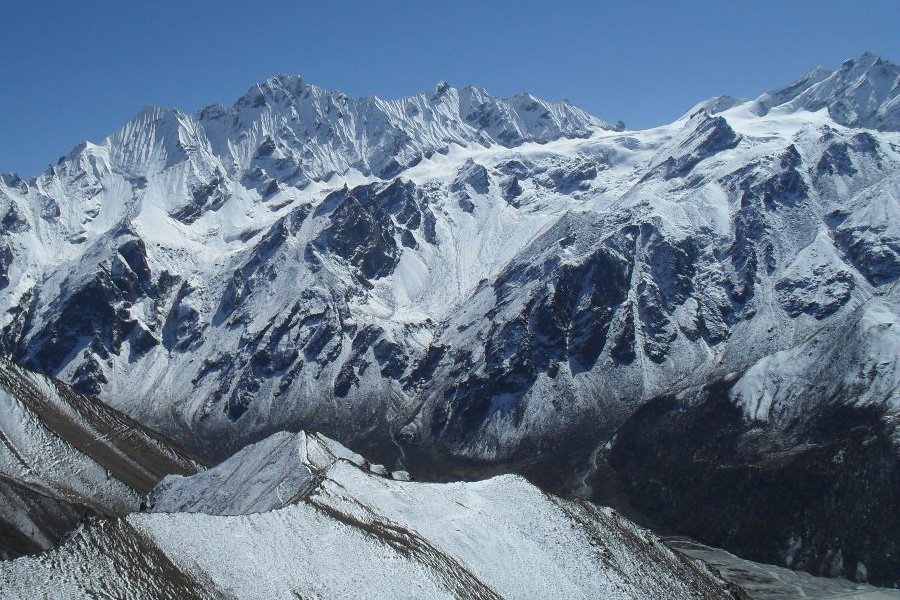
This peak offers an accessible and affordable opportunity to experience high altitudes, reaching above 6,000 meters. Island Peak Climbing tests your comfort at such heights while enjoying breathtaking views of Everest Region’s towering peaks, including the renowned Lhotse, Makalu, and Ama Dablam.

Island Peak Climbing with Everest Base Camp Trek is for those who seek both trekking and climbing adventures. This climbing is an incredible journey into the heart of the Himalayas. Island Peak’s allure lies in its glaciated West Face rising from the Lhotse Glacier, providing an adventurous ascent with stunning vistas of neighboring peaks like Mt Nuptse, Mt Lhotse, Lhotse Middle Peak, and the yet unconquered Lhotse Shar.

Besides the awesome trekking and climbing, Island Peak gives you more than just stunning mountain views. It lets you dive into the Sherpa community and lets you get to know their special culture and traditions. It’s not just about reaching the summit; it’s about soaking in the beauty around and connecting with the Sherpa people. You can experience their unique way of life, making your journey not just an adventure but also a cultural exploration.

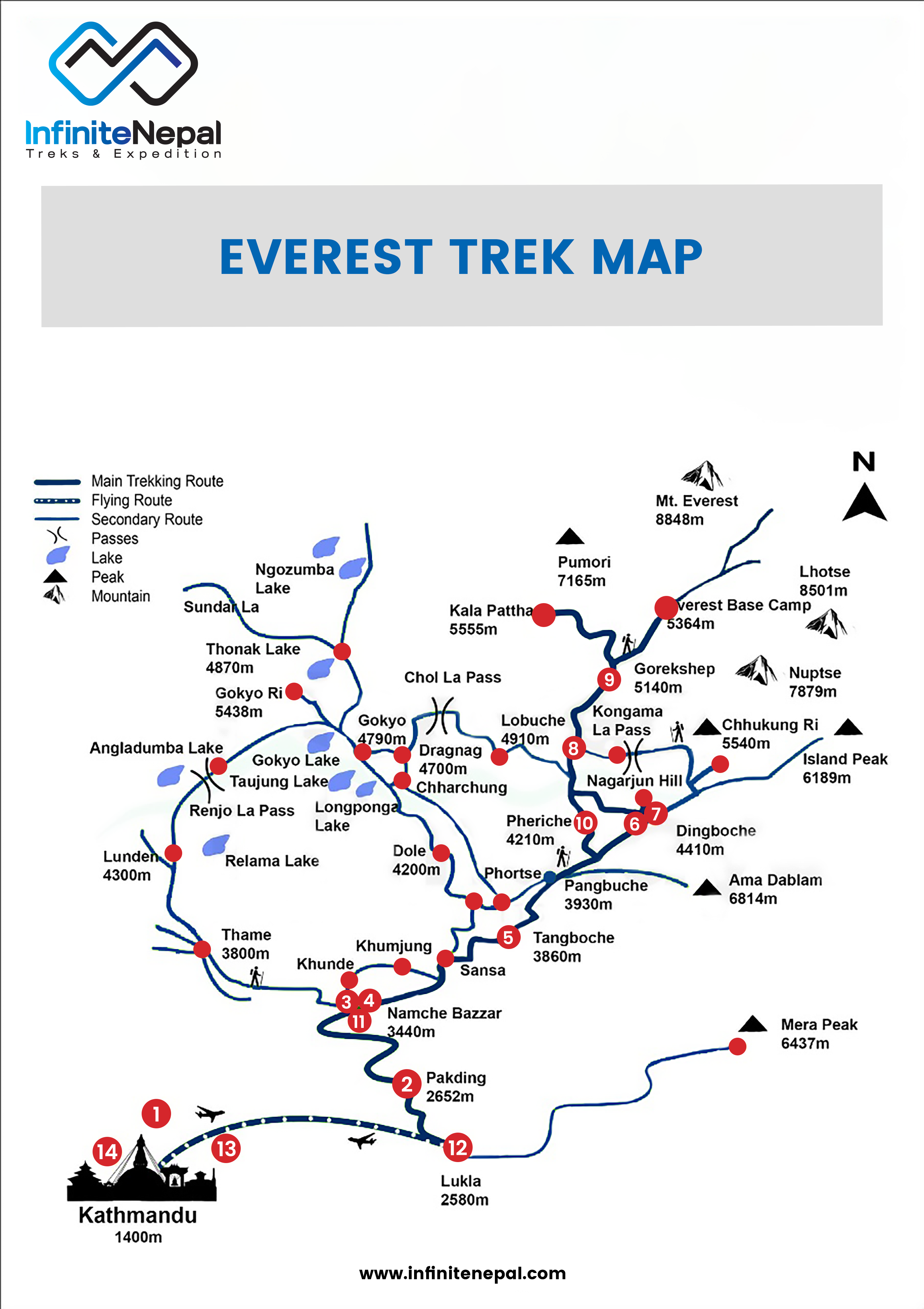
Our team has carefully crafted a climbing itinerary so you won’t miss out on visiting Everest Base Camp and Kala Pathar while prioritizing acclimatization. We are also committed that our climber gets a smooth and safe journey to the summit of Island Peak. No matter how challenging the journey is, our expert will provide the necessary assistance, making it easier to conquer this peak, an unforgettable experience.
Itinerary

After landing at the TIA, our representative will pick you up from the airport and assist you in transferring to the hotel of your choice. Take some time to freshen up and relax. In the evening, you can head to our office to discuss the details of your Island Peak Climbing adventure and complete any necessary paperwork. To warmly welcome you, we'll also host a delightful welcome party for you at a traditional Nepalese restaurant.
Be prepared early in the morning because you will have an early flight from Kathmandu to Lukla. This 40-minute scenic flight will take you to the main gateway of the Everest Region. As you approach the Lukla airport, you can see the view of the mountains more clearly. Your Guide and the porter will be there waiting for you to welcome you to Island Peak Climbing.  After having a short introduction with them and a tea break, we will head to Phakding. Your porter will help you carry the luggage, and following the Guide, you will start your trek. Then, we continue our trek by descending towards the Dudh Kosi River, where we will join the main trail to Namche Bazaar, located just above Chaunrikharka (2,713 m).  The starting walk is pretty easy, mostly flat, with a few little ups from Thado Khola. You'll get a great view of Kusum-Kangaru (6,369m/20,890ft) after crossing a small hanging bridge. After a short climb, you'll reach the Ghat village. Another one to two hours of easy walking will bring you to Phakding village.
After leaving the Phakding village early in the morning, your trek begins by crossing the majestic river many times on exciting suspension bridges. There are a few short uphill and downhill sections, and again, a fantastic view of Mt. Thamserku from Benkar village can be seen. Further walking, you will cross the bridge and then reach the Monjo, which is the entrance gate of the Sagarmatha National Park. You need to show your permit, and they will keep your record for your safety. As you enter the National Park, you will go downhill and then walk slowly towards a hanging bridge over the Bhote-Koshi River. After the bridge, you'll reach Jorsalle village, which is the last village before Namche Bazaar. The walk from here is nice along the river until you get to the last bridge over the Imja Tse River.  Once you cross it, the path goes uphill all the way to Namche Bazaar. As you go higher, you'll see great views of Kwangde Peak and its neighboring peaks to the east, with Kusum Kangaru behind you. You will also spot Mt. Everest, Lhotse, and a closer view of Tawache Peak. Finally, you'll get to the colorful houses of Namche Bazaar, where you will spend your night inside the village.
Today is another wonderful day to spend your leisure time in the Namche Bazaar. Namche Bazaar is a famous tourist hub renowned worldwide for trekkers who trek in the Everest Region.  Located within the Khumbu area at 3,440 meters, Namche Bazaar has many things for visitors, like cafes, shops, restaurants, and different hiking places around the village.  Namche Bazaar is like the main hub for Sherpas, and there, you'll discover cozy tea houses owned by the Sherpa folks. Here are the top things that you can do while acclimatising in Namche Bazaar.
  • Visit Kancha Sherpa, who is the last surviving member of the 1953 expedition that saw Edmund Hillary and Tenzing Norgay Sherpa. 
  • Check out Shangbouche Hill, it's at 3,900 feet, and from there, you can see amazing views of Mount Everest, Lhotse, Ama Dablam, Thamsurku, Konde Ri, and Khumbila.
  • Go to Café Danphe. You can watch movies about Everest or an awesome Sherpa documentary, enjoy some cake and coffee, and even play pool.
  • Another best thing is you can take a walk up to Jamling Lodge and bring gifts for the children living in that region.
  • You should also check out the Sherpa Museum. There's a giant statue of Tenzing Norgay, and you get to see Mount Everest in the background.
After leaving the Namche Bazaar, we will keep walking alongside the fast-flowing Dudh Kosi river. You can enjoy awesome views of the mountains while hiking to Tengboche. By the time we reach Tengboche Monastery, we will pass through several forests, Shanasa and Phungithanga village. After walking for about two hours, we will reach Thyangboche, one of the prettiest spots in the Himalayas.  The first thing you'll see is the big Monastery or Gumba. There's also a large field with campsites, teahouses, and lodges. And the best part is the breathtaking view – the towering and stunning peaks of Ama Dablam, Everest, Mt. Lhotse, and Lhotse Shar in the northeast, with more peaks all around you.
Today, you will wake up early in the morning to visit the Tengboche monastery. Take a little time for meditation or taking pictures. Descend through the beautiful rhododendron forest, juniper, and birch, and you will reach the lovely spot. From here onwards, the lush vegetation and trees vanish. You can see the mighty peaks of Ama Dablam, Nuptse, and Lhotse with a view of the eastern snow-capped mountains, including the Island peak of Imja Tse, 6,189m.  As you walk, you'll go through Pangboche village before reaching Pheriche. Pangboche is located at 3985m high. Pheriche is this lovely mix of fields surrounded by stone walls, keeping crops like barley, buckwheat, and potatoes safe from chilly winds and wandering animals. After a day full of adventure, you'll stay in a tea house in Pheriche for the night.
After leaving Pheriche, a grassy area where yaks roam freely, we will climb up the valley to reach Thukla. There, we take a tea break. Moving on from Thukla, we climb a steep hill to reach Thukla Pass, which has memorials for famous mountaineers who lost their lives on Mt. Everest.  It's a particular spot for trekkers, offering both beautiful scenery and touching tombstones honoring the mountaineers. From there, we head to Lobuche, going gradually uphill with a stunning panoramic view of the peaks at the end of the Khumbu valley bordering Tibet. There might be some difficulty breathing because of the high altitude. To tackle this, we take it slow, drink plenty of fluids, and eat food that gives us lots of energy.
After having breakfast, we will keep trekking to Gorak Shep on a windy and rocky trail with amazing views of Mt. Pumori, Mt. Nuptse, Everest, and other stunning peaks. Once we check in at the lodge and have lunch, we continue our adventure towards Everest Base Camp and the Khumbu Icefall.  The path goes over rocky hills, moraines, and streams until we reach the base camp. Everest Base Camp is where climbers gather to summit Everest during the high expedition season. We explore the camp filled with white rocks and snow, and you can even touch the glacier. After taking some great pictures, we trek back to Gorak Shep for the night.
We will get ready for an early morning start, facing the dark and frigid temperatures. It can also get pretty windy. As we set out, familiar peaks like Lingtren, Khumbutse, and Changtse show up to the east, and Everest starts to come into view.  But the real treat is when we reach Kala Patthar, where we get an up-close, all-around view of Mt. Everest. We take lots of pictures, enjoy the incredible mountain scenery, and then head back to Lobuche for a good night's sleep. We'll stay overnight at a local lodge in Lobuche.
Today is a short trekking day of our entire journey. After having breakfast, we will go east for about 2-3 hours with a gentle uphill walk to reach Chhukung, a hidden valley near the base of Island Peak. We'll take a whole day to rest at Island Peak, getting ready for camping and climbing. Then We will spend the night at a hotel.
Today is a big day for you because you're heading to the Island Peak Climbing Base Camp. You'll start on a steep trail where you'll see the stunning view of the Imja and Lhotse glaciers. After a short and pleasant walk along a stream, you'll come to a place called "Big Rock."  The route to the Amphu Lapcha is southeast of here. Following a zigzag path through the moraines of Imja and Lhotse glaciers will lead you to a wide valley on the southwest side of Island Peak. Finally, you'll reach the Island Peak Base Camp and spend the night in a tent.
After breakfast and packing up our camping gear, we will make our way to High Camp, the starting point for our climb. The trail goes up from the base camp, and it's a bit steep at first. You'll notice the path changing from sandy to grassy and then filled with rocks. As you go up, the slope gets narrower, leading to a steep rocky channel where we'll spend the night at our camp.
Today is the big day! We start really early, before the sun is up, using headlamps to climb a rocky trail. The timing is just right as we enjoy a breathtaking Himalayan sunrise on a shiny glacier, getting ready for the tough climb ahead. After a short walk on untouched snow, we reach a steep final part. You'll need to use ropes on the glacier since it has some crevasses, but it's not too hard.  The guides will secure a rope on a 100m/330ft snow and ice slope (40-45°). From the top of this slope, three rope lengths along a sharp ridge lead to the summit. Now, it's time to test your climbing skills! Reaching the summit is challenging, but the sense of achievement is incredible. After a short and triumphant time at what feels like the top of the world, we carefully make our way down to the charming village of Chukhung.
Today's walk is easy as we head downhill to a lower elevation from Chhukung. The journey is enjoyable all the way to Tyangboche. After passing through Dingboche valley and crossing a bridge, we followed the stream towards Pangboche village and continued down to Tyangboche.  This place is one of the most beautiful spots in the Himalayas. The first thing you'll notice is the big Monastery or Gumba, and then you'll see a large field with campsites, teahouses, and lodges. All around, there are towering and majestic peaks like Ama Dablam, Everest, Mt. Lhotse, and Lhotse Shar in the northeast, along with more peaks surrounding you.
The journey to Tengboche mostly goes downhill, but there's a bit of uphill for about an hour, which might seem surprising. We'll reach Namche by late afternoon and call it a day, getting some rest for our final day on the mountain.
After having a delicious breakfast, we will start our trek towards the Hillary Suspension Bridge and pass through a bunch of local villages. When we reach Lukla, we get to stay in a proper hotel for the evening. And, as tradition goes, there's a party with your trekking crew – because you did it! Thanks to teamwork and sticking with it, you've achieved something that others only dream of. This is your last night on the mountain, and it can feel both happy and a bit sad.
Usually, the flight time will be in the morning from Lukla to Kathmandu. Leaving the beautiful mountains and your team, you will land at the TIA airport. After you land at Kathmandu airport, our representative will transfer you to the hotel. You will have plenty of time after you reach the hotel. You can explore the city or do the last-minute shopping for souvenirs before you head to your home country.
We will have a farewell somewhere in a nice restaurant before your flight. Then our company representative will take you to the airport 3 hours prior to your flight. Have a safe journey to your home country.

Whats Included

Whats Excluded

FAQ

Walking in high-altitude areas and walking daily for 4-5 hours is not an easy job. Also, altitude sickness is a significant concern for this climbing. You need to be in good shape for this climb because it's a moderately challenging one. If you have the basic mountaineering skills and are physically fit, then you can join this beautiful Island Peak Climbing.

To Climb Island Peak, you must get a permit from the Nepal Mountaineering Association (NMA). The cost of the permit varies according to the seasons. The price might be slightly higher During the peak season than during the off-season. Also, trekking agencies will help you obtain this permit if you book with them.

The new government rule says you must hire a guide to get the permit. The Guide should have a license from the Nepal Government. The trekking agency can assist you by arranging a guide and porter for your trek.

The ideal time to climb Island Peak is either in spring (April to May) or autumn (September to November). During these periods, the weather is usually more predictable, and you can enjoy clearer views.

The time it takes to climb Island Peak can differ for each person, depending on your shape and how well you adapt to the high altitude. On average, a complete Island Peak climbing adventure, including the trek to and from the base camp, usually lasts about three weeks.

During this Island Peak Climbing, you will be walking above 6000 meters, so altitude sickness is a significant concern. Understand altitude sickness symptoms and their preventive measures well. Monitor your health all the time, eat nutritious food, and stay hydrated all the time.

The gear that you need to have while doing the Island Peak Climbing are mountaineering boots, crampons, helmets, trekking poles, ice axes, climbing harness plus two locking carabiners, ascenders, etc. Please make sure to carry all the necessary gear before you join this Island Peak Climbing.

It's optional for you to have previous climbing experience, but it is highly recommended to have basic mountaineering skills. Experience in high-altitude trekking will be helpful to make Island Peak Climbing adventurous, enjoyable, and safer.

Most of the hotels have a storage facility for the luggage. You can store the luggage at the hotel where you will spend your night or leave it at our office.

Tea houses provide boiled and filtered water for the trekkers, but you need to pay extra for the boiled water. You can also buy bottled water, but we suggest you carry the reusable water bottle and fill it with drinking water. To purify the water, you can use the water purification tablet.

Useful Info

Highlights

  • Embark on an exciting journey with a thrilling flight to and from Lukla.
  • Discover the charming Sherpa villages, rich in traditions and Buddhist culture.
  • Visit the impressive Thyangboche Monastery, a unique and spiritual destination.
  • Conquer the summit of Island Peak, a towering mountain standing at 6,189 meters.
  • Trek to the iconic Everest Base Camp and witness the majesty of the world’s highest peak.
  • Experience Island Peak Climbing in the Himalayas – suitable for all levels and not too challenging.
  • Marvel at breathtaking views of Everest, Lhotse, Makalu, and Ama Dablam in the stunning Himalayan landscape.
  • Engage with the welcoming Sherpa community, learn about their customs, and enjoy their genuine hospitality.

Meals and Accommodation 

When you’re in Kathmandu, you’ll stay in a hotel or guesthouse. You can find places that suit your budget, from inexpensive to fancy ones. Usually, many standard hotels include complimentary breakfast, but you’ll have to pay for your other meals. Where you stay and what you eat depends on your preferences and budget.

When you’re trekking, you’ll stay in teahouses overnight. These places offer basic things like a room, blanket, bathroom, Wi-Fi, food, and electricity. The dining area is usually open for everyone staying there, and you might share toilets with others. Three meals are provided in the tea house: breakfast, lunch, and dinner. The food might be basic and limited to what you can find in the city area. You can choose various typical Nepali food, Tibetan, Indian Continental, Italian, and Indian cuisine. Also, you can find hot, cold, and alcoholic beverages. Choose the foods from the menu that give your body lots of energy for climbing. 

Go for things that are packed with nutrition to fuel you up. Think of foods like fruits, veggies, nuts, and whole grains. They’ll help keep you strong and ready for the climb.

Your team will set up the tent for you while staying in the base camp. An expert chef will cook a delicious meal for you. You need to bring your own sleeping bag while staying in the tent. 

Best Time to Go

Everest Base Camp Trek, combined with the Island peak climbing, offers peerless exploration for seasonal trekkers as well as for new beginners. Choosing the right time for this exhilarating journey is crucial. The ideal timeframes for the Island Peak Climbing is during the spring and the autumn seasons. These seasons boast clear skies, pleasant temperatures, and breathtaking visibility, making the ideal environment for a successful ascent.

However, venturing during the summer is not recommended due to heavy rainfall, which can lead to avalanches and hinder the climbing journey. Thick fog enveloping the mountain obscures visibility, making it less desirable for an Island Peak trek. If the scheduled time does not align with the recommended seasons, daring trekkers can consider off-season climbing in winter. Be prepared for challenges such as heavy snowfall, extreme cold, and limited tea establishments, as winter is less favored for Island Peak ascents.

Despite the challenges, a winter expedition offers unique advantages, including a quieter trail and the added thrill of overcoming the difficulties posed by Island Peak in harsh weather conditions. Only begin the journey with fully equipped gear and equipment, and extra caution is required.

The most challenging part of Island Peak Climbing

Climbing at the high altitude of the Island Peak Climbing is tough. However, it offers a unique chance to experience the legendary Everest Region. Island peak climbing involves real climbing, tackling crevasses, and using specialized equipment like spikes, ropes, and jumars. If you are an experienced climber, then it’s not so difficult for you, but if you are a beginner, you need some training to use this technical equipment.

Another big challenge that you need to deal with is altitude sickness. Altitude sickness can happen to anyone while climbing. Climbing at an altitude of above 6000 meters is a serious task. So you need to be very careful and follow all the instructions given by your Guide.

Reaching the final part of the summit is also another problematic part. You have to get up really early in the morning and push yourself to reach the summit before strong winds pick up later in the day. You need to cross the crevass on ladders, and tackling a steep section with a jumar is the final part of the summit. Also, the steep descent back to camp can be tough on the knees.

Even Though you are a beginner, you don’t have to worry at all because our expert team will provide the essential training while you are on trial. With strong determination, planning, preparation, and trekking with professional trekking agencies like us, it will be easy. Despite the difficulty, with determination and the thrill of conquering a Himalayan peak, the challenges will likely fade from memory.

Customer Review

No rating found

GIVE A RATING

Book the Tour